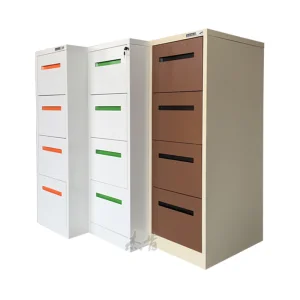
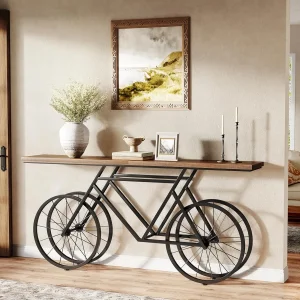
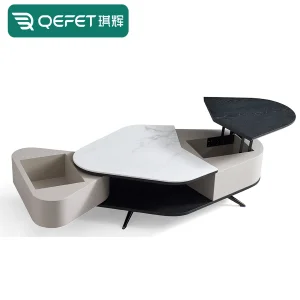
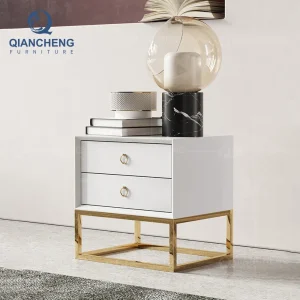
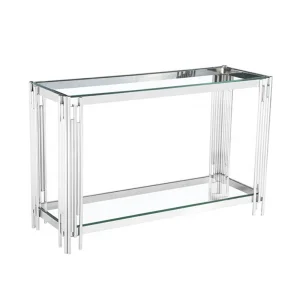
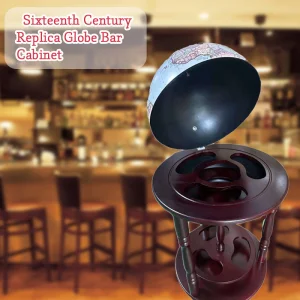
Explore our flagship product integrations designed for modern architectural projects, workspaces, and luxury interiors.
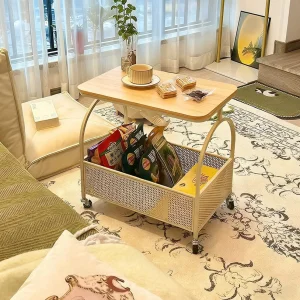
The global footstool industry has transitioned from producing simple living room additions to developing highly engineered, multifunctional furniture pieces designed for residential, commercial, hospitality, and healthcare environments. Footstools—widely referred to as ottomans, poufs, and hassocks—now serve as central modular components in dynamic layouts. The market valuation for accent seating, including premium footstools, is experiencing a steady compound annual growth rate (CAGR), propelled by modern workspace designs, hotel expansions, and urbanization.
Modern contract buyers prioritize structural durability, textile performance, and ecological certifications. Fire-retardant compliance (such as CAL 117 or BS 5852) and heavy-duty wear ratings are essential standards for commercial layouts.
Footstools are increasingly integrated with technologies such as wireless charging pads, ergonomic height adjustability, and hidden storage systems. These innovations cater to compact metropolitan living and flexible co-working hubs.
Sustainability is no longer optional. Leading suppliers utilize FSC-certified timber frames, water-based finishes, and high-performance post-consumer recycled fabrics to align with global environmental benchmarks.
We have evaluated global manufacturers against criteria including manufacturing scale, compliance certifications, material sourcing, design capabilities, and export efficiency. Here are the top 10 suppliers driving the commercial footstool and upholstery market.
Based in Guangdong, China. A premier manufacturer specializing in high-end solid wood frames and premium contract furniture. With a 50,000 sqm production facility, they excel in combining traditional joinery with modern design paradigms for luxury hotels and residential projects.
Headquartered in Sweden. Renowned for ergonomic workplace seating and minimalist acoustic footstools. Kinnarps is a leader in raw material transparency and circular manufacturing throughout Europe.
Based in the USA. One of the largest furniture manufacturers in the world. They offer high-volume production lines for standard-size ottomans and footstools with robust North American distribution networks.
Based in Italy. A luxury furniture pioneer focusing on high-density cold-molded polyurethane foam footstools and architectural statement pieces designed by award-winning global architects.
Headquartered in Grand Rapids, Michigan. Steelcase focuses on modular soft contract seating configurations, offering collaborative office ottomans that integrate power outlets and dry-erase surfaces.
A Chinese manufacturer leading the outdoor furniture sector. Specializes in weather-resistant woven synthetic rattan footstools and powder-coated aluminum frames.
Based in Poland. Offers highly customizable modular footstools and ottomans for public spaces, schools, and hospitals across Central and Eastern Europe.
Operating out of Malaysia. Strong focus on design-led hospitality furniture, manufacturing lightweight, stackable, and space-saving footstools utilizing sustainably sourced local hardwoods.
Based in Denmark. Muuto brings fresh perspectives to Scandinavian design, utilizing eco-conscious molded felt and recycled wool for their modern footstools and seating ranges.
Based in Switzerland. World-renowned for premium leather footstools, featuring heavy glove-leather stitching and internal counterweight engineering to ensure lasting stability.
Established in 2013, Guangdong Jaydee Furniture Co., Ltd. is located in the heart of Guangdong Province, China—a region globally recognized for its rich heritage in furniture manufacturing, innovative material sourcing, and efficient export logistics. Over the last decade, Jaydee Furniture has evolved into an award-winning brand in the high-end solid wood furniture sector. Serving both premium domestic projects and demanding international markets, the company has established a reputation for manufacturing excellence, precision woodwork, and engineering integrity.
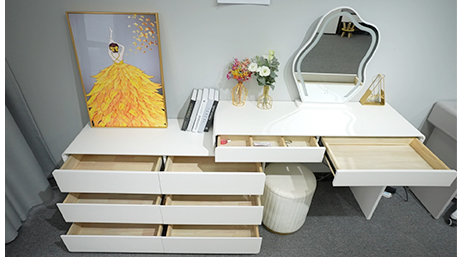
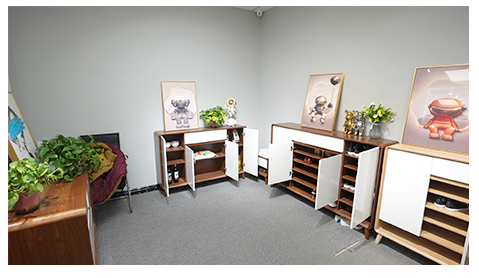
Operating from an expansive, modern production facility of 50,000 square meters and employing a team of over 600 skilled professionals, Jaydee Furniture integrates advanced CAD/CAM prototyping with traditional carpentry craftsmanship. The company specializes in furniture collections spanning classic European neoclassical styles to contemporary, minimalist designs, all grounded in the core principles of ergonomics, structural durability, and a deep understanding of domestic comfort.
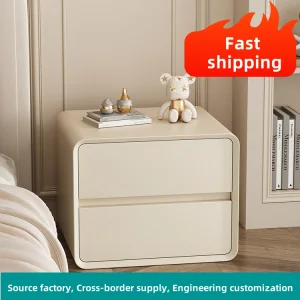
A primary differentiator for Jaydee Furniture is its commitment to using only the finest imported raw materials, including sustainable North American oak, walnut, ash, and premium top-grain leathers. Each piece undergoes a multi-phase quality control protocol—covering wood moisture content optimization, precision joint testing, and surface finish scratch resistance—to ensure compliance with strict international contract standards. This attention to detail has earned the brand prestigious industry accolades, particularly for its custom solid wood nightstands, dining tables, and accent seating collections.
Within China, Jaydee Furniture manages a robust retail and contract network of over 600 sales outlets. Internationally, the company exports to more than 50 countries and regions across North America, Europe, the Middle East, and Southeast Asia. Over the years, the company has partnered with five-star hotels, luxury resorts, high-end private villas, and elite clubs, delivering tailored contract solutions that meet the requirements of international interior designers and architects. Guided by a philosophy of "mutual benefit and continuous innovation," Jaydee Furniture continues to integrate sustainability, comfort, and advanced materials into its research and development.
China remains the leading hub for high-volume furniture production, accounting for a significant portion of global furniture exports. Sourcing footstools and contract furniture from Chinese manufacturers like Guangdong Jaydee Furniture offers substantial supply chain advantages:
The Pearl River Delta region hosts fully integrated supply chains, where timber processing, hardware engineering, high-density foam production, and textile weaving facilities operate in close proximity. This geographic clustering reduces raw material transit times and minimizes secondary logistics costs.
Modern Chinese factories employ advanced manufacturing technologies, including five-axis CNC routers, automated fabric cutters, and robotic welding stations. These systems ensure high precision and consistent quality across large-volume production runs.
With proximity to major container ports such as Shenzhen, Guangzhou, and Hong Kong, Chinese manufacturers can streamline customs clearance and international shipping. This established infrastructure helps maintain reliable delivery timelines for global contract projects.
The functional requirements for footstools vary considerably depending on the installation environment. Successful contract sourcing depends on aligning product specifications with these localized demands:
Context: Guestrooms, lobby lounges, and high-end suites.
Key Specs: Stain-resistant fabrics, sturdy solid wood frames capable of supporting heavy loads, and classic styles that coordinate with custom headboards and casegoods.
Context: Breakout zones, collaborative libraries, and informal meeting rooms.
Key Specs: Lightweight construction for easy reconfiguration, durable synthetic leather or high-rub fabrics, and built-in power modules.
Context: Patient rooms, waiting areas, and rehabilitation centers.
Key Specs: Antimicrobial, moisture-barrier textiles, stable anti-tip geometries, and smooth, rounded edges for user safety.
When evaluating manufacturers, B2B procurement officers should verify the following engineering standards:
As building designs evolve, modern seating solutions are incorporating several structural and material trends:
Manufacturers are replacing traditional petroleum-based polyurethanes with bio-foams derived from castor oil or soy. Additionally, recycled ocean plastics are being converted into commercial-grade upholstery textiles.
In open-plan offices and hotel lobbies, footstools constructed with sound-absorbing core materials help mitigate ambient noise, serving as secondary acoustic baffles.
To optimize shipping space and reduce ocean freight emissions, suppliers are designing footstools with tool-free, knockdown assembly systems that maintain structural integrity once put together.
Answering critical technical questions for sourcing agents, contract interior designers, and retail buyers.
For contract orders (e.g., 500 to 2,000 units), standard production lead times range between 35 to 45 days after deposit confirmation and shop drawing approvals. Initial custom prototyping typically takes 10 to 15 days.
Wood moisture content is tightly controlled through kiln-drying and conditioning chambers, keeping it between 8% and 12%. This range minimizes expansion and contraction when products are shipped to dry or humid target markets.
Products can be manufactured to comply with US standard California Technical Bulletin 117 (CAL 117) and UK standard BS 5852 (Crib 5), utilizing flame-retardant foams and specialized barrier interliners.
While standard MOQs depend on material customization, the baseline is usually 50 to 100 units per style for standard designs, and 200 units for fully bespoke designs requiring unique tooling.
Yes, many manufacturers accept COM. Designers can ship their specified fabrics directly to the production facility in Guangdong to ensure consistency with matching upholstery items in their projects.
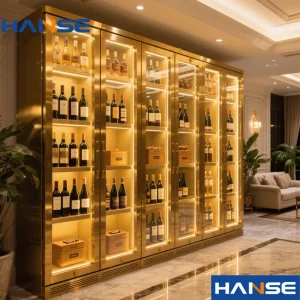
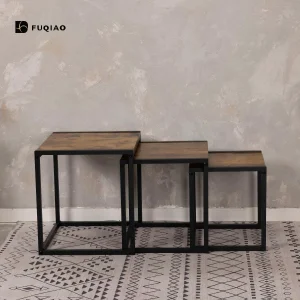
Consistently high manufacturing standards applied across modern cabinetry, accent tables, and space-saving furniture.
 Jaydee furniture