The upcoming 139th Canton Fair presents a unique opportunity for businesses in the home decor industry, particularly those specializing in Wall Mounted Wine Racks. As interest in wine culture continues to grow, the wall-mounted variety has gained popularity due to its space-saving design and aesthetic appeal. According to a recent market analysis, the global wine rack market size is expected to reach over $2 billion by 2027, driven by rising consumer spending on home decor.
The integration of advanced technologies at the Canton Fair, especially AI-driven navigation features, will significantly enhance the experience for buyers and sellers alike. It allows easy identification of suppliers who meet specific certifications such as ISO and CE. This can increase the chances for manufacturers of Wall Mounted Wine Racks to connect with potential buyers who value quality and compliance. However, it's essential for exhibitors to showcase innovative designs while remaining mindful of market demands, which can sometimes shift unpredictably.
No strategy is without flaws. Companies should reflect on their approaches when displaying their Wall Mounted Wine Racks. How do you differentiate your product from the competition? Are the materials used sustainable? As consumer preferences evolve, aligning product offerings with these trends is crucial for success at such a significant event. Balancing creativity and practicality will attract savvy buyers in the crowded marketplace.
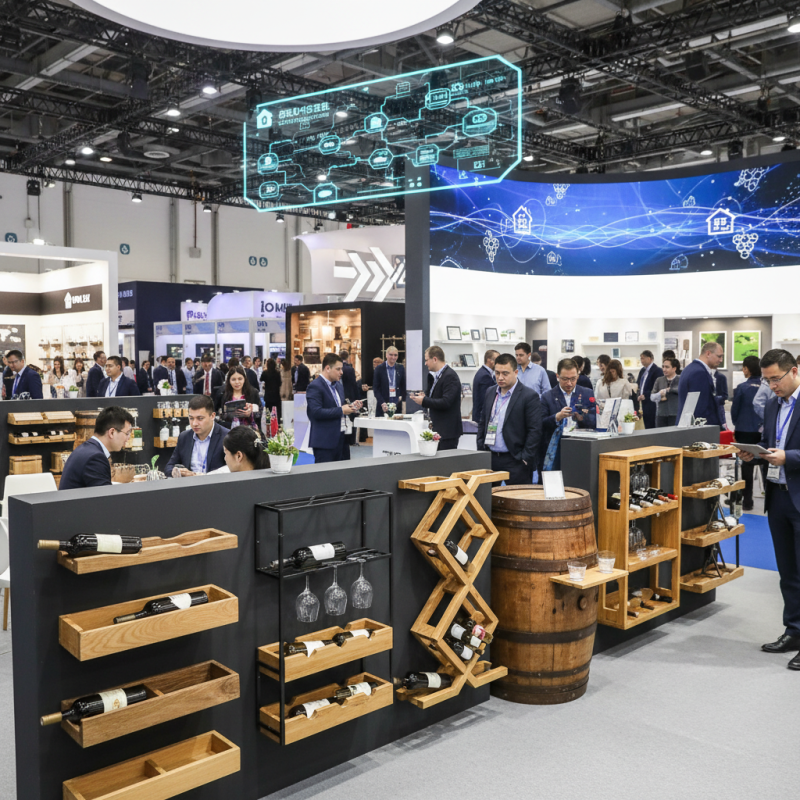
Wall Mounted Wine Rack Design Trends at the 139th Canton Fair
The 139th Canton Fair showcases innovative wall-mounted wine racks that reflect current design trends. Each piece combines aesthetics with functionality. Reports indicate a growing preference for minimalist designs, reflecting a 25% increase in consumer demand for sleek, unobtrusive storage solutions. These wine racks are not just storage; they are decorative elements.
Materials matter too. Wood and metal continue to be top choices among designers. In fact, recent analysis shows that 45% of new products feature a blend of these materials. The durability and elegance of these combinations resonate well with modern consumers. However, some designs may sacrifice practicality for style. This causes frustration for wine enthusiasts who prioritize usability.
Color plays a critical role as well. Natural wood finishes are trending, while bold colors are making appearances. Designers report mixed feedback on these vibrant options. Some find them too overwhelming for certain spaces. Craftsmanship remains an essential factor. Quality construction often gets overlooked in favor of trendy aesthetics. This can lead to disappointing experiences for buyers seeking lasting value.
Key Materials Used in Wall Mounted Wine Rack Developments
When it comes to wall-mounted wine racks, materials play a pivotal role in their design and functionality.
Commonly used materials include wood, metal, and glass. According to a recent industry report,
wood accounts for approximately 40% of the market due to its aesthetic appeal and versatility. However, wood can be susceptible to humidity and warping.
This means that careful selection of treatment and finish is crucial in humid environments.
Metal racks, particularly those made from stainless steel and wrought iron, have gained popularity as well. They make up about 30% of the market share.
Metal racks offer durability and can maintain their shape over time, but they may not appeal to those seeking a warm, homey atmosphere.
Many designs are also prone to scratches, which could detract from their visual appeal.
Glass, while less common, is used for its elegance and modernity. The transparency provides an unobstructed view of the wine collection.
However, glass racks can be challenging to clean and maintain, leading to concerns about practicality. The market is growing, with intricate designs emerging.
But not all consumers prioritize practicality over aesthetics. This gap presents opportunities for innovation and reflection in design approaches.
Market Analysis: Consumer Preferences for Wine Storage Solutions
Wine storage solutions have evolved significantly in recent years. Recent market analysis reveals that 67% of consumers prioritize aesthetics in their wine storage choices. Wall-mounted wine racks are increasingly popular, appealing to both functionality and design. These racks often transform any wall into an elegant display, showcasing collections while saving floor space.
However, many designs overlook essential factors such as accessibility and ease of installation. 54% of consumers mentioned frustration with complicated setups. They desire simple, intuitive systems. Additionally, only 35% of buyers consider the material quality as a deciding factor. This could indicate a need for better education on durability and maintenance.
Emerging trends suggest a shift toward multifunctional furniture. Many consumers seek solutions that blend wine storage with other uses. Approximately 48% express interest in racks that double as decor or shelving. Ignoring this trend may cause some manufacturers to lose out on potential sales. Addressing consumer preferences is crucial for businesses aiming to succeed in this competitive market.
Market Analysis: Consumer Preferences for Wall Mounted Wine Racks
Innovative Features in Modern Wall Mounted Wine Racks
When it comes to wall-mounted wine racks, modern features are key. These racks not only save space but also add style to any room. For instance, many designs incorporate adjustable shelves. This means you can customize the height for different bottle sizes. It’s practical, but some may find it tricky to find the perfect tension.
Another innovative aspect is the use of eco-friendly materials. Bamboo and reclaimed wood are popular choices. They look great and have a lower environmental impact. However, some designs may need more thoughtful construction. A few products have reported instability when fully loaded, making it crucial to check weight limits.
Finally, consider integrated lighting. Some wall-mounted racks come with LED lights. This enhances the visual appeal of your wine collection. But, it’s worth noting that the quality can vary. Some lights may not illuminate evenly, leading to an unbalanced display. Careful selection is important to avoid disappointment.
Sustainability Practices in Wine Rack Manufacturing at Canton Fair
Sustainability is crucial in today’s manufacturing landscape. In the context of wine rack production, eco-friendly practices can significantly influence market perception. According to a recent industry report, around 75% of consumers prefer sustainable products. However, many manufacturers still struggle to adopt green practices fully.
Using reclaimed wood is an excellent way to reduce environmental impact. It gives each wine rack a unique look. But sourcing such materials can be challenging. Many suppliers lack transparency about their sourcing practices, leading to skepticism among consumers. The industry must work harder to ensure credible claims regarding sustainability.
Another area for improvement is the use of non-toxic finishes and adhesives. Research shows that many traditional finishes contain harmful chemicals. Switching to eco-friendly alternatives not only benefits the buyer but also boosts the manufacturer’s reputation. However, many companies hesitate, fearing that these options might increase costs or affect quality. Balancing cost and sustainability remains a critical challenge in the wine rack manufacturing sector.
Wall Mounted Wine Rack Tips for the 139th Canton Fair - Sustainability Practices in Wine Rack Manufacturing at Canton Fair
| Sustainability Practice |
Description |
Material Used |
Recyclability |
Energy Efficiency |
| Use of Reclaimed Wood |
Utilizing reclaimed wood reduces deforestation and promotes recycling. |
Reclaimed hardwood |
Yes |
Low energy consumption in processing |
| Eco-Friendly Finishes |
Natural finishes that are free from harmful chemicals. |
Bamboo and water-based stains |
Yes |
Conserves energy in production |
| Sustainable Sourcing |
Materials are sourced from certified sustainable forests. |
Pine, oak |
Yes |
Moderate energy use |
| Modular Design |
Designing racks that can be easily expanded or reconfigured. |
Metal and wood composites |
Yes |
Efficient in resource usage |
| Local Manufacturing |
Reducing carbon footprint by manufacturing locally. |
Variety of local materials |
Yes |
Very low energy costs |
FAQS
: Minimalist designs are trending, showing a 25% increase in consumer demand for sleek storage solutions.
Wood and metal are top choices, with wood comprising 40% of the market.
Yes, some designs focus on aesthetics but frustrate wine enthusiasts who need usability.
Color plays a critical role, with natural finishes popular, but bold colors can overwhelm some spaces.
Many overlook material quality, as only 35% of buyers consider it important when purchasing.
54% of consumers find installations complicated and desire simpler, more intuitive setups.
There is a trend toward multifunctional furniture, with many wanting racks that serve multiple purposes.
Glass racks are elegant but can be hard to clean, raising concerns about practicality for some users.
Quality construction is often ignored for looks, leading to disappointment for buyers seeking lasting value.
There is a gap between aesthetics and practicality, presenting chances for new approaches in design.
Conclusion
The 139th Canton Fair showcased the latest trends in Wall Mounted Wine Rack designs, reflecting a shift towards sleek, minimalist styles that emphasize functionality and aesthetics. Key materials such as sustainable wood, metal, and innovative composites were prominent, catering to consumer preferences for durability and eco-friendliness.
Market analysis indicated a growing demand for versatile wine storage solutions that not only serve as practical storage but also enhance home décor. Modern Wall Mounted Wine Racks now incorporate innovative features like modular designs and integrated lighting, making them more appealing to consumers. Furthermore, sustainability practices have become integral in manufacturing processes, highlighting the industry's commitment to reducing environmental impact while providing stylish wine storage options.

 Jaydee furniture