Waterproofing a bathroom vanity is crucial for long-term durability. According to Joe DiMarco, a home improvement expert, "Taking proper steps to waterproof your vanity can prevent costly replacements." His insights highlight the importance of effective techniques in maintaining the life of bathroom furniture.
Many homeowners overlook the need for protection against moisture. The bathroom is one of the most humid areas in a house. Water damage can lead to mold growth and deterioration. Using waterproofing methods can extend the life of your vanity significantly. It’s not just about aesthetics; it’s about preserving your investment.
Understanding how to waterproof a bathroom vanity for long-term use is essential. A solid approach includes applying waterproof finishes and using moisture-resistant materials. These efforts can dramatically enhance the vanity's lifespan. However, many DIY enthusiasts underestimate the necessary steps. They often rush through the process and miss critical details. This can lead to regrets down the line. Proper waterproofing is a continuous commitment to maintenance and care.
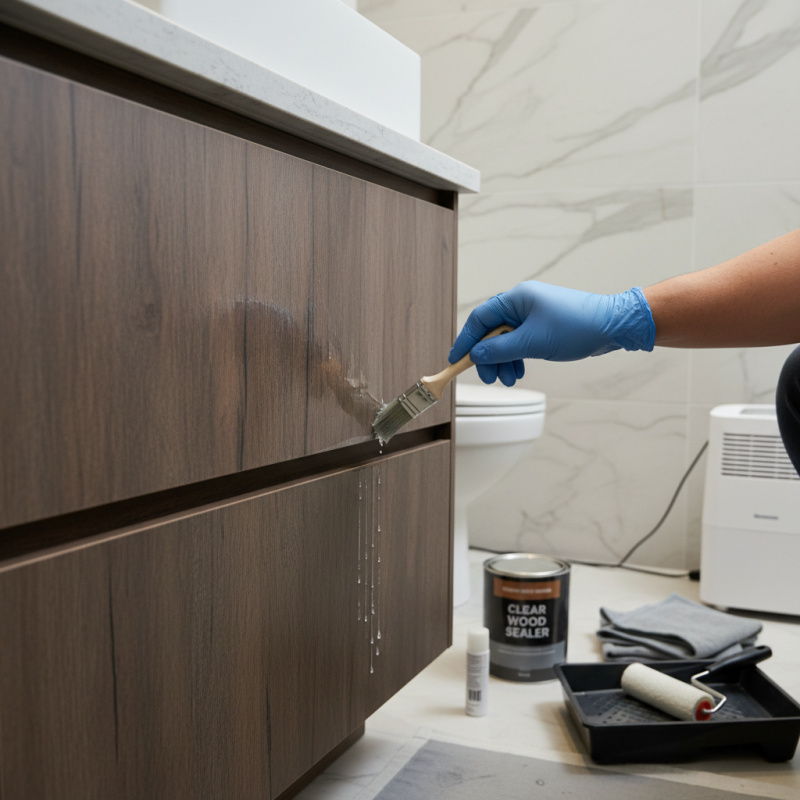
Choosing the right materials for a waterproof bathroom vanity is crucial. Many homeowners overlook this aspect, leading to mold and water damage. According to industry data, about 80% of bathroom vanities experience significant damage due to moisture issues. Selecting moisture-resistant materials can enhance durability.
Consider using marine-grade plywood for the core of your vanity. This material resists water much better than standard plywood. High-pressure laminates are also excellent for surfaces, offering both durability and ease of cleaning. When choosing a finish, opt for water-resistant paints or varnishes that can withstand humidity levels typical in bathrooms.
Tip: Use silicone caulk around sink edges. This prevents water seepage and reduces the risk of damage. Additionally, avoid solid wood for vanities in high-moisture areas. Even treated wood can swell or warp over time. Regular maintenance is important; inspect seals and finishes for any signs of wear. This simple step can prolong the life of your vanity significantly.
Bathroom vanities often face moisture issues. Applying waterproof sealants can offer extra protection. These sealants create a barrier against water damage. They are particularly useful in high-humidity areas. A thorough application can prolong the life of your vanity.
Before applying a sealant, prepare the surface properly. Clean it to remove any dust or grime. Sanding may be necessary for a smoother finish. Follow the manufacturer’s instructions carefully when applying the sealant. Overlapping layers can create an uneven surface.
While a sealant can enhance durability, it’s not a cure-all. Regular maintenance is still essential. Check for any signs of wear or peeling. Resealing may be needed every couple of years. This can be a time-consuming task, yet it is crucial for longevity. Always be prepared to reassess your methods and make improvements as needed.
Improper ventilation in your bathroom can lead to moisture accumulation. This may cause mold growth and damage your vanity. Ensuring good airflow is crucial for maintaining a durable bathroom environment. Proper ventilation not only keeps your space dry but also enhances air quality.
Installing an exhaust fan is one proactive step. Aim for a fan that is appropriately sized for your bathroom. A smaller fan may not effectively eliminate moisture, while an oversized one can be unnecessarily loud. Open a window when taking a shower. This simple act allows steam to escape, reducing humidity levels.
Another tip is to use dehumidifiers. They act as an additional line of defense against moisture. If you’re dealing with persistent dampness, consider sealing your bathroom vanity. Choose water-resistant paint or a sealant specifically designed for bathroom use. These products can significantly increase the life of your vanity by protecting it from humidity.
Remember, even the best solutions may have imperfections. Regular checks for leaks or signs of mold are essential. Your management of moisture can prevent bigger issues down the line. Building a habit of maintaining ventilation can lead to a better bathroom experience.
Water damage can be a silent killer in your bathroom. Establishing a regular maintenance routine is essential to protect your vanity. Start by inspecting for leaks every few weeks. Small drips can lead to major damage over time. Pay attention to the sink area. Moisture tends to accumulate here, so wipe it down daily.
Consider the caulking around your vanity. Reapply it periodically to prevent water seepage. It might not seem like a big task, but old caulk often goes unnoticed. Inspect for cracks or gaps. Regularly check under the sink for signs of mold. If you see any, address it quickly. Ignoring it allows mold to spread, which can be harmful.
Ventilation plays a critical role in preventing moisture buildup. Open windows after showers and use exhaust fans. Ensure your bathroom is well-ventilated. This simple step can reduce humidity levels. Remember to clean with mildewcide regularly. Maintaining a clean space aids in preventing water damage. It requires consistent effort, but the results are worth it. Your bathroom vanity deserves that attention. Stay proactive, and don't overlook the details.
When enhancing the durability of your bathroom vanity, water-resistant accessories play a critical role. Select materials like bamboo, a naturally water-resistant option, for shelving or decorative pieces. Bamboo can withstand moisture while adding a warm, stylish touch. You might also consider glass or ceramic containers for your toiletries. Their smooth surfaces repel water and are easy to clean.
Incorporating decorative elements, such as waterproof wall art, can further enhance the vanity’s resilience. Look for art made from high-quality resin or materials that resist water damage. Additionally, using mats designed to absorb moisture around the vanity area can prevent water from pooling. Choose colors and patterns that complement your bathroom’s overall theme while providing functional benefits. It’s essential to regularly check these elements to ensure they function well.
While many think about style, durability should not be overlooked. Regularly replacing worn-out accessories is crucial. Even with the best materials, water can still seep in over time. Setting aside time to inspect your accessories ensures that they continue to serve their purpose. Balancing aesthetics with functionality will ultimately lead to a more durable and beautiful vanity.
: Choosing appropriate materials prevents mold and water damage. About 80% of vanities face moisture issues.
Marine-grade plywood is recommended. It resists water better than standard plywood.
High-pressure laminates are excellent for surfaces. They are durable and easy to clean.
Opt for water-resistant paints or varnishes. They withstand humidity and improve longevity.
Inspect for leaks regularly, especially around the sink. Small drips can cause significant damage.
Reapplying caulk prevents water seepage. Old caulk can expose areas to moisture risks.
Proper ventilation reduces humidity. Open windows and use exhaust fans to prevent moisture buildup.
Choose bamboo or ceramic for storage. These materials resist moisture and are easy to clean.
Regularly inspect accessories for wear. Replacing worn items prevents water from seeping through.
Yes, waterproof art and moisture-absorbing mats can enhance durability while adding style.
When considering how to waterproof a bathroom vanity for long-term use, it's essential to start by selecting the right materials. Look for moisture-resistant options such as plywood or marine-grade wood that can withstand high humidity levels. Next, applying waterproof sealants can provide an additional layer of protection, ensuring that the vanity remains impervious to water damage.
Proper ventilation is crucial in reducing moisture accumulation in the bathroom. Installing exhaust fans or ensuring windows can open will help maintain a drier environment. Furthermore, establishing a regular maintenance routine is vital to identify and repair any potential issues early on. Finally, incorporating water-resistant accessories and decorative elements can enhance both the durability and aesthetic appeal of your bathroom vanity. By following these tips, you can significantly extend the lifespan of your vanity while preventing water-related issues.

Jaydee furniture