Teaching kids to clean up can be a daunting task. A toy storage cabinet can make this process easier and more engaging. Parents often wonder how to teach kids to clean up with a toy storage cabinet. Using storage solutions can instill good habits early on.
Kids respond better when cleaning feels like a fun activity. Brightly colored cabinets can attract their attention. Encouraging them to categorize toys makes organizing playful. It’s important for children to understand where things belong. Having a dedicated space helps reduce clutter and promotes responsibility.
However, challenges can arise. Kids may resist the idea of tidying up. They might see it as a chore, rather than a game. Patience is key. Showing them how the system works empowers them. Reflecting on what works and what doesn’t is crucial. A toy storage cabinet is more than furniture; it’s a teaching tool. It can foster independence and creativity in young minds.
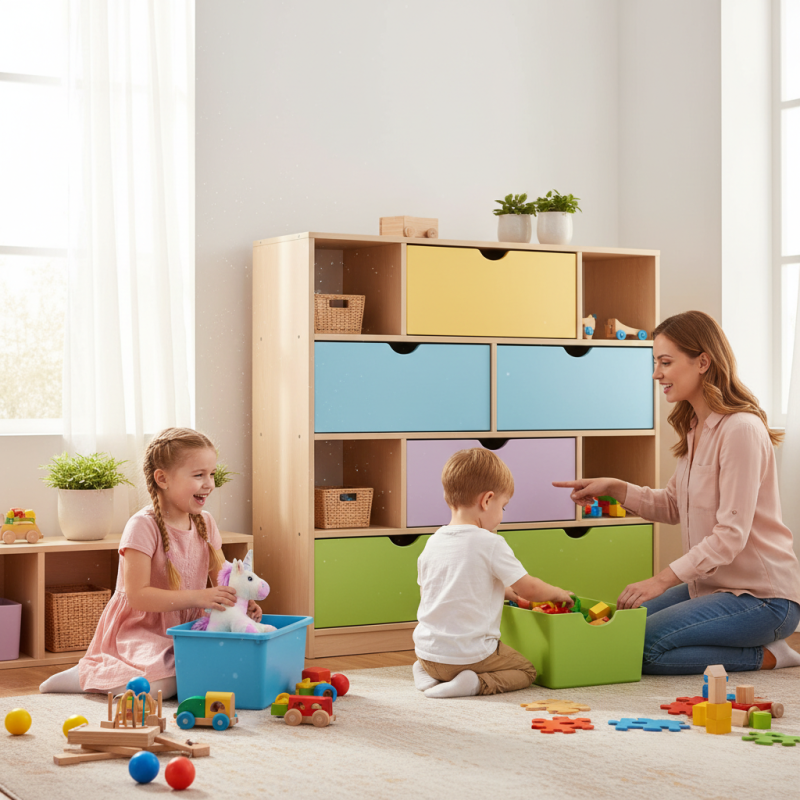
Teaching kids to clean up is crucial for their development. Efficient toy storage can make a big difference. According to a study published in the "Journal of Child Development", organized play areas improve children’s focus by 35%. This shows the need for structured environments that support learning.
When children have a designated space for toys, they also learn responsibility. Research by the American Academy of Pediatrics highlights that children involved in their own cleanup processes gain valuable organizational skills. They are 40% more likely to take pride in their spaces. Observing this can encourage parents to involve kids in choosing toy storage solutions.
However, not all kids immediately grasp these concepts. Some may resist organizing their toys. This is a normal part of development. It's essential to encourage them gently. Maybe offer choices in storage options. Make cleanup feel less like a chore. Experiment with different storage methods. This can foster a lifelong habit of organization, critical in their educational journey.
Toy storage cabinets play a significant role in child development. When choosing these cabinets, focusing on functionality and accessibility is essential. Bright colors can attract children’s attention. Child-sized cabinets allow kids to reach and put away toys easily. This action fosters independence and responsibility. It is crucial to ensure that these cabinets have rounded edges. Safety features should prevent injuries during playtime.
Incorporating labels, such as pictures or words, can enhance the learning experience. Kids learn to identify and categorize toys. However, parents often overlook the importance of organization. A cluttered storage system can lead to frustration. Parents should guide children in keeping toys tidy, promoting teamwork. Engaging in this activity builds a sense of achievement.
Effective toy storage cabinets should also be versatile. Look for cabinets with adjustable shelves. This flexibility allows for future changes as children grow. However, not every solution fits every space. Some parents may struggle to find the right cabinets for their home. Trial and error might be necessary. Reflecting on how well a storage solution works is vital for long-term success in developing healthy cleaning habits.
Teaching children to clean up can be a challenging task. Toy storage cabinets can help facilitate this process. According to a research report from the American Psychological Association, organized spaces promote better focus and reduce anxiety in children. This shows that teaching kids to use toy storage efficiently is beneficial for their overall well-being.
Start by showcasing how to categorize toys. Group items like building blocks, puzzles, and dolls. Label the storage bins clearly. Simple labels allow children to understand where each toy belongs. Visual aids help reinforce this learning process. According to a survey by the National Association of Elementary School Principals, children are 40% more likely to clean up when they know their toys have designated spaces.
Encourage routine by integrating clean-up time into daily activities. Make it a game or a challenge. Set a timer and see how many toys can be put away before it goes off. This approach can create a sense of urgency and fun. Research shows that gamifying tasks can improve children's motivation by 70%. Reflect on how well your child adapts. Adjust strategies if necessary. Flexibility is key in this learning journey.
| Step | Strategy | Benefits | Age Group |
|---|---|---|---|
| 1 | Introduce Toy Storage Cabinets | Creates a designated space for toys. | 2-3 years |
| 2 | Sorting Games | Enhances sorting skills and makes cleaning fun. | 3-5 years |
| 3 | Set Cleaning Times | Establishes a routine and sense of responsibility. | 4-6 years |
| 4 | Use Labels | Makes it easy for kids to find and return toys. | 5-7 years |
| 5 | Offer Rewards | Encourages positive behavior and effort. | 3-8 years |
| 6 | Model Cleaning Behavior | Demonstrates how to clean up, encouraging imitation. | 2+ years |
| 7 | Make it a Family Activity | Promotes teamwork and makes cleaning enjoyable. | 3-8 years |
| 8 | Keep it Simple | Avoid overwhelming kids with too many instructions. | 2-5 years |
Teaching kids to clean up can be a fun and engaging experience. Incorporating playful techniques into cleaning routines makes the process enjoyable. Research indicates that children are more likely to participate when tasks feel like games. A study found that 83% of kids preferred cleaning when it involved playful elements. Simple strategies can make a significant difference in their willingness to help.
Using toy storage cabinets is a great way to encourage organization. Bright colors and fun designs can attract children's attention. Adding labels with pictures can help them associate items with their respective storage spots. This approach fosters independence and responsibility. Yet, it's important to note that not all children respond positively. Some may resist cleaning initially; patience is key. Over time, consistency can lead to better habits.
Integrating music or timers can enhance the cleaning experience. A 5-minute cleaning challenge with upbeat music can spark enthusiasm. Playful competition can also motivate siblings to help each other. Even with these strategies, you may find some days less successful than others. It's vital to remain flexible and adapt your approach based on their moods. Creating a playful environment around cleaning can transform a chore into a cherished activity.
Organized play areas can significantly influence a child's behavior and learning. Studies show that children in tidy environments focus better and exhibit lower stress levels. When toys are stored properly, kids can engage more deeply with their play. This fosters creativity and problem-solving skills. A cluttered space, however, often leads to distraction and frustration.
Incorporating toy storage cabinets into a play area also encourages responsibility. Kids learn to put away their toys when they have a designated spot. This practice can improve their organizational skills, a foundation for later success in school. When children take part in cleaning up, they develop a sense of ownership over their space. Yet, it can be challenging at times. Kids may resist or forget the routine.
Parents and educators need to model behavior and provide gentle reminders. Even with the best plans, there will be days of chaos. Reflection on what works and what doesn’t is vital. Adjusting strategies might be necessary based on a child's unique needs. An organized play space ultimately supports better behavior and enhances learning experiences.
: Proper toy storage helps improve focus and organization skills in children.
Organized spaces can boost children’s focus by 35% and aid learning.
They learn responsibility and organizational skills through involvement in cleanup.
No, some may resist this. It's a normal part of their development.
Offer choices in storage options and make cleanup enjoyable rather than a chore.
Group similar toys together and use clear, simple labels on storage bins.
Integrating clean-up time into daily activities creates structure and encourages participation.
Yes, it can increase motivation by 70% when made into a game.
Reflect on their progress and adjust strategies as needed; flexibility is important.
Visual aids and clear labels can greatly assist in guiding children.
Teaching kids to clean up can be a rewarding process, significantly enhanced by effective toy storage solutions. "How to teach kids to clean up with a toy storage cabinet" lies in understanding the importance of organization skills for children. A well-designed toy storage cabinet not only keeps play areas tidy but also fosters children’s independence and responsibility. Key features such as accessibility, safety, and visual appeal are essential for promoting child development.
To implement these lessons, parents can use step-by-step strategies that encourage children to utilize toy storage efficiently. Incorporating playful techniques during cleanup, such as games or timing challenges, can make the process enjoyable. Moreover, research indicates that organized play areas positively influence child behavior and learning outcomes. By creating a structured yet fun cleanup routine, parents can instill lasting habits in their children, ultimately leading to a more organized living environment.

Jaydee furniture