When designing a bedroom, one essential question arises: What is the standard height for a bedside table? This piece of furniture plays a crucial role in comfort and function. Ideally, a bedside table should align with the height of your mattress. A good rule of thumb is to have the table either level with or slightly lower than the mattress.
The average standard height for a bedside table is typically between 24 to 28 inches. This dimension ensures easy access to items like lamps, books, or alarm clocks. However, personal preference and bed height can influence this choice. Many people overlook the importance of this measurement and end up with tables that are too tall or short.
While the standard height offers a guideline, it’s worth noting the diversity in bed designs today. A low-profile bed might require a shorter table. Alternatively, a tall bed frame could necessitate a higher bedside table. Reflecting on these details can enhance overall bedroom comfort and aesthetics. This simple furniture piece should complement your personal style while being practical.
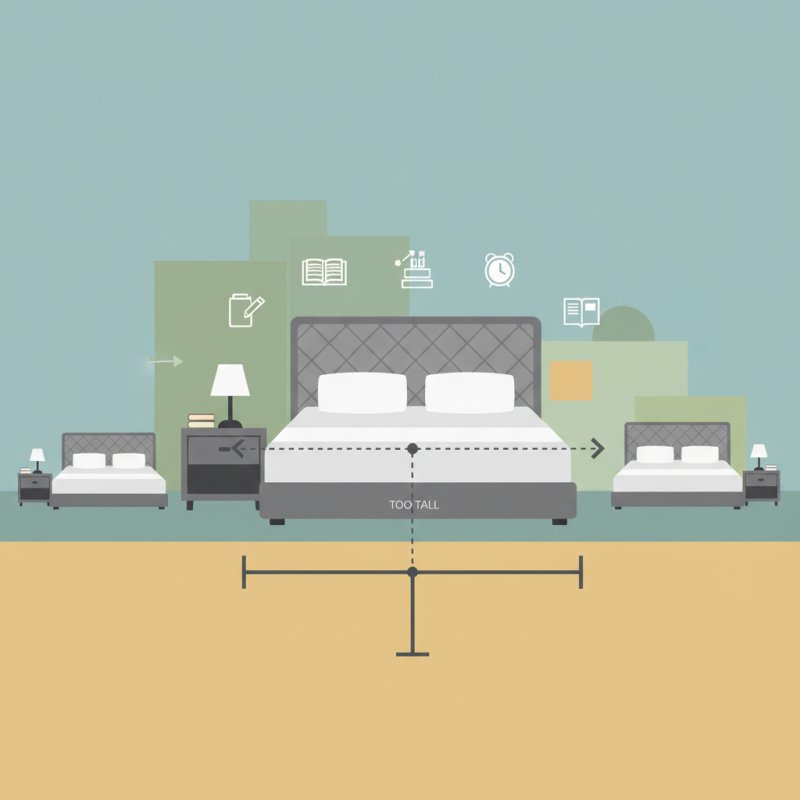
When choosing a bedside table, height is a critical factor. The standard height typically ranges from 24 to 28 inches. However, this can vary based on mattress thickness and individual preferences. A table that is too high or too low can disrupt comfort and accessibility.
Considering the average mattress height, a bedside table should ideally align with the top of the mattress. This makes it easier to reach for items like water bottles, books, or lamps. If your mattress is thicker than average, you might need a taller table. Conversely, a lower mattress might require a shorter table.
It’s important to measure your space carefully. Consider the room's layout and your personal style. A bedside table can be both functional and aesthetic. However, many overlook practical aspects like height and alignment. It’s essential to reflect on how these choices affect your daily routine. Selecting the right height can lead to a more enjoyable and relaxing bedroom environment.
This chart illustrates the standard heights for bedside tables, showcasing typical measurements including standard, short, and tall options. The most common bedside table height is approximately 24 inches, which is versatile for various bed heights.
The average height range for bedside tables typically falls between 24 to 28 inches. This measurement aligns with the average height of a mattress, which is usually around 25 inches. Designers recommend ensuring that your bedside table is at least waist-high. This placement allows easy access to essentials during the night.
It's important to remember that personal preference plays a role in selecting the right height. Some might find a taller or shorter table more comfortable based on their bed height or sleeping position. According to a study by the Furniture Society, the comfort of accessibility can affect sleep quality.
Tips: When choosing a bedside table, consider the height of your mattress. Make sure it aligns with the table for convenience. Additionally, if you are a side sleeper, ensure your table isn’t too high. If so, it could lead to awkward reaching.
Assess your space before making a purchase. Sometimes the perfect height can clash with room aesthetics. It’s advisable to measure before making a decision. Consider the practicality and style of your bedside table.
When selecting the height of a bedside table, several factors come into play. The standard height typically ranges from 24 to 28 inches. However, personal preferences and room design significantly impact this choice. For instance, if your bed height is 20 inches, a bedside table around 24 inches allows for easy access. According to the American Association of Home Builders, over half of homeowners prioritize comfort in their bedroom design choices.
Another essential factor is the overall aesthetics. A bedside table should complement your bed and other furniture. For instance, tall beds call for taller tables, while lower beds benefit from shorter ones. A study published by the Furniture Today website indicates that 67% of consumers are influenced by the visual harmony of bedroom furniture. Moreover, functionality also matters—if you often read in bed, a higher table might reduce strain while reaching for a lamp.
It's intriguing to note that trends in bedside table design fluctuate. The rise of minimalist decor has led to slimmer designs, often around 24 inches high. Yet, how often do we assess the practicality of these trendy designs? Striking the right balance between style and functionality is critical. Often, the choices we make may not fully account for personal habits or future changes in lifestyle. Careful consideration can lead to a more satisfying result.
When selecting the right height for a bedside table, measuring correctly is crucial. Industry standards commonly suggest that bedside tables should be around 24 to 28 inches high. This range typically matches the height of the top of the mattress. However, personal preferences and mattress thickness can affect this measurement. The average mattress height is about 18 inches. If your mattress is thicker or thinner, adjust accordingly.
To find the ideal height for your bedside table, start by measuring the distance from the floor to the top of your mattress. Add a few inches for convenience. A quick guideline is that the bedside table should be level with the mattress or slightly lower. This ensures ease of access to items like lamps, books, or alarm clocks. Generally, ensuring your bedside table is within a range of 2 inches from the mattress provides comfort.
Consider the overall aesthetic as well. The bedside table should complement the bed and room decor. If your table feels too low or high, it might impact your nightly routines. An uncomfortable height can make reaching for that nighttime water difficult. Reflect on how the table works with your overall bedroom design. It’s essential to strike a balance between functionality and style, leading to a more relaxing atmosphere.
| Bed Height (inches) | Recommended Bedside Table Height (inches) | Comments |
|---|---|---|
| 24 | 20-24 | Ideal for low-profile beds |
| 26 | 24-26 | Standard height for most beds |
| 28 | 26-28 | Good for higher beds |
| 30 | 28-30 | Used for platform beds |
When choosing a bedside table, height is crucial. Most standard bedside tables measure between
24 and 28 inches tall. This height typically aligns with the average mattress height.
However, variations exist. For example, low-profile beds might pair better with shorter tables,
while higher beds can look great with taller options.
Different styles of bedside tables cater to various needs and tastes. A minimalist table may stand at 24 inches,
keeping a sleek look. Meanwhile, a traditional nightstand often measures around 26 inches.
Wood types and overall design can also influence the perceived height. Some modern designs, with their unique shapes,
might not fit typical height standards.
In your selection, consider personal comfort. Is the height convenient for reaching your lamp or books?
Also, assess how the table's design complements your bedroom. While a striking piece may stand out, it should not overwhelm the space.
Balancing aesthetics and functionality is key. These details matter in creating an inviting and practical bedroom environment.
: Bedside tables are typically between 24 and 28 inches high. This range aligns with the average mattress height.
Measure from the floor to top of your mattress. Add a few inches for comfort.
The right height ensures easy access to items like lamps and books during the night.
Adjust the bedside table height based on your mattress thickness for convenience.
Consider height, style, and how it complements your bedroom decor. Balance is crucial.
Yes, different designs can make tables look shorter or taller, impacting overall aesthetics.
An uncomfortable height can make accessing items awkward and disrupt sleeping routines.
Choose a table that balances functionality and style, creating a relaxing atmosphere.
Yes, low-profile beds match shorter tables, while taller beds look good with higher tables.
Not necessarily. Personal preference and comfort should guide your decision as well.
When considering "What is the standard height for a bedside table," it's essential to understand that the typical height ranges between 24 to 28 inches. This average height is designed to align closely with the height of most mattresses, allowing for easy access to items placed on the table. However, various factors can influence the selection of a bedside table height, including personal comfort, the overall design of the bedroom, and the style of bed being used.
To determine the ideal height for your bedside table, it's helpful to measure from the top of your mattress to the floor, ensuring that the table allows for both functionality and aesthetics in your space. Different styles of bedside tables may also have varying heights, so it's essential to choose one that complements the overall decor while providing the necessary usability. Whether you opt for a minimalist design or a more ornate piece, the right height will enhance your bedroom experience.

Jaydee furniture