Properly storing wine bottles is crucial for preserving their quality and enhancing the drinking experience. According to a report by the International Organisation of Vine and Wine, improper storage can lead to significant degradation in taste and aroma. This highlights the importance of understanding "how to store wine bottles correctly in a wine rack cabinet."
A well-designed wine rack cabinet can provide optimal conditions for your prized collection. Maintaining a stable temperature, suitable humidity, and protection from light are essential factors. The Wine Institute suggests that even minor fluctuations in these conditions can adversely affect the wine, potentially ruining years of aging.
It’s also important to recognize common mistakes. Many enthusiasts underestimate the impact of wine positioning. Bottles should lie horizontally, as this keeps the cork moist. An improperly stored bottle may lead to an undesirable taste. While it’s easy to overlook these details, attention to them is vital for serious collectors. Strive for an ideal storage environment, and your wine will thank you for it.
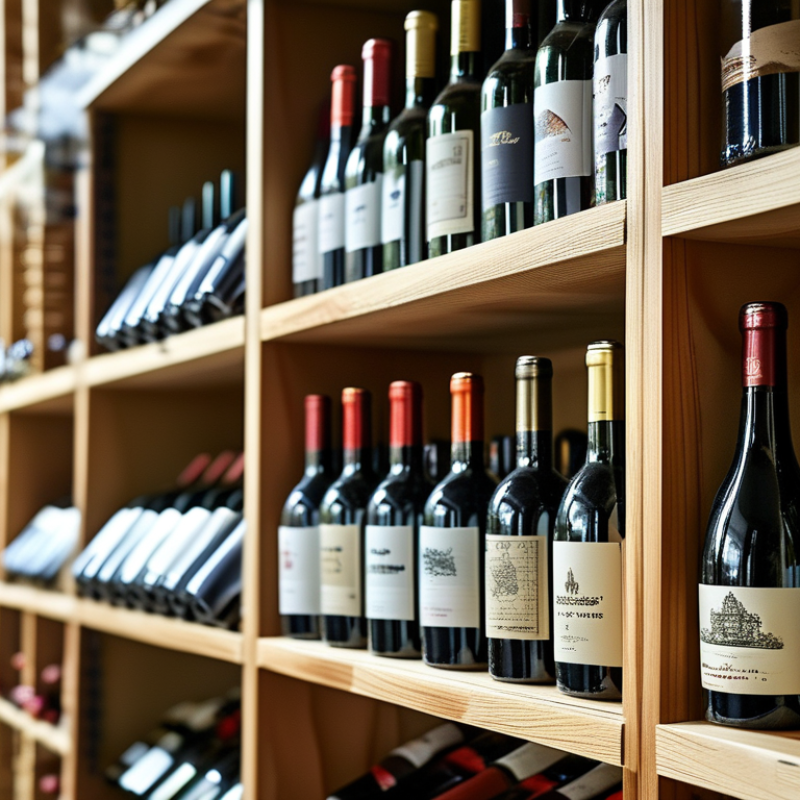
How Temperature Controls Wine Quality in Storage Systems
The temperature at which wine is stored plays a crucial role in its overall quality. Wines thrive in specific temperature ranges. For most wines, a temperature between 45°F and 65°F (7°C to 18°C) is ideal. Too high or too low temperatures can lead to undesirable changes in flavor. When wine is stored at elevated temperatures, it can age prematurely. This can result in off-tasting notes that detract from its original profile.
Humidity also plays a part, though temperature is often the primary concern. Storing wine in a too-dry environment can lead to corks drying out. When corks dry out, they no longer seal properly. This allows oxygen to spoil the wine inside. Conversely, if the humidity is too high, it might encourage mold growth on labels and corks.
Maintaining a consistent temperature is essential. Fluctuations can cause the wine to expand and contract in the bottle. This can compromise the cork's integrity over time. Investing in a reliable storage solution can help. However, not all wine racks are created equally. Some fail to offer the climate control needed for optimal wine preservation.
Understanding Humidity Levels and Their Impact on Wine Aging
Humidity levels play a crucial role in wine aging. The ideal humidity for storing wine is between 50% and 70%. Too little humidity can cause corks to dry out, letting air into the bottle. This leads to oxidation and spoilage. Conversely, high humidity can promote mold growth on labels and corks, which can be harmful to the wine.
When setting up your wine rack cabinet, monitor humidity with a hygrometer. This tool helps you maintain the correct levels. Consider using a humidifier or desiccant if adjustments are needed.
Tips: Check bottles regularly. Use a spray bottle for a quick humidity boost. Remember that temperature also affects humidity; aim for a stable climate. Store bottles horizontally, so the wine contacts the cork. This keeps the cork moist and prevents air damage. Keeping your wine rack clean will also avoid unforeseen issues. Regular maintenance is essential for preserving your wine.
How to Properly Store Wine Bottles in a Wine Rack Cabinet? - Understanding Humidity Levels and Their Impact on Wine Aging
| Humidity Level (%) |
Impact on Wine |
Ideal Storage Conditions |
Recommended Aging Duration |
| 30-50% |
Too low humidity can dry out corks, leading to oxidation. |
Maintain around 50% for optimal preservation. |
Short-term (1-3 years) |
| 50-70% |
Optimal range for most wines; prevents oxidation and cork damage. |
Ideal at 60% for balance. |
Medium-term (3-10 years) |
| 70-80% |
Excessive humidity promotes mold growth on corks. |
Monitor closely and ventilate. |
Short-term only (1-2 years) |
| Above 80% |
Highly detrimental; can ruin wine quality. |
Avoid these conditions completely. |
Not recommended for storage. |
Optimal Orientation: Horizontal vs. Vertical Wine Bottle Storage
When it comes to storing wine, placement matters. Most wine enthusiasts agree that horizontal storage is the best option. This position keeps the cork moist, preventing it from drying out. A dried cork can lead to air getting into the bottle, spoiling the wine. Think about your favorite bottles lying down in a rack. Imagine the labels facing you. It’s not just practical; it’s visually appealing too.
Some people still choose vertical storage. This method is often easier for accessing wine quickly. However, it carries risks. If a bottle sits upright for too long, the cork may dry out. It reduces the long-term quality of the wine. Consider a mix of both methods if space allows. A wine cabinet can accommodate both orientations. Yet, regularly check bottles stored vertically. If any corks appear compromised, transfer them to a horizontal position.
Take time to assess your storage setup. Evaluate how you display your collection. Is it efficient? Does it reflect your preferences? Every choice affects the quality of your wine in the long run. Balancing beauty with functionality is key in wine storage. Your wine deserves the care and attention you give it.
Choosing the Right Material for Your Wine Rack Cabinet
When considering the material for your wine rack cabinet, think about both functionality and aesthetics.
Wood is a common choice. It provides warmth and elegance. However, the type of wood matters.
Oak and mahogany are durable but can be costly. Plywood, while affordable, may lack character.
Consider how these materials might age over time. A wine rack made from engineered wood might be cheaper but could diminish the overall appeal.
Metal wine racks offer a sleek, modern look. They are usually lightweight and sturdy. However, they can make your wine susceptible to temperature changes.
If you live in a fluctuating climate, metal might not be ideal. Some people love acrylic racks for their transparent appearance.
They can display your bottles beautifully, but acrylic is prone to scratches. Storage is crucial, so balance style with practicality.
Reflect on your preferences and needs. Think about the wine you plan to store. Your racks should accommodate various bottle shapes.
Consider how you will access them regularly. Each material has its pros and cons. Make a decision that aligns with your space and lifestyle.
Choose wisely, as this investment impacts the longevity of your collection.
Long-term Care: Best Practices for Wine Bottle Maintenance
Maintaining wine bottles in a wine rack cabinet requires careful consideration of environmental factors. Research shows that temperature fluctuations can significantly alter a wine’s taste. Ideally, keep your wine stored at a consistent temperature between 45°F and 65°F. Frequent changes can lead to premature aging and spoilage. A simple thermometer can help monitor this.
Humidity plays a crucial role as well. The ideal humidity level for wine storage is around 70%. Too low humidity can dry out corks, leading to oxidation. Conversely, high humidity can foster mold. A hygrometer is essential for monitoring moisture levels inside your cabinet. Aim for balance.
Light exposure is another important aspect. Direct sunlight can degrade wine, causing flavor loss. Dark, UV-filtered environments are best for preservation. Many wine cabinets offer designed interiors to protect from light damage. Remember, even the smallest change in conditions can impact your wine's longevity, so regular checks are key to maintaining its quality. Consider these points, and reflect on your current storage practices.
Conclusion
Properly storing wine bottles in a wine rack cabinet is essential for preserving their quality and enhancing their aging process. Understanding how temperature influences wine storage is crucial; ideally, wines should be kept at a consistent, cool temperature, as fluctuations can adversely affect flavor and aging. Additionally, maintaining appropriate humidity levels is vital to prevent cork dry-out, which can lead to spoilage.
The orientation of the bottles is also an important factor; horizontal storage helps keep the cork moist, while vertical storage may be suitable for certain types of wines. When choosing a wine rack cabinet, selecting materials that provide insulation and stability can enhance the storage conditions. Lastly, following best practices for long-term care, such as regular inspections and avoiding excessive movement, will ensure that you know how to store wine bottles correctly in a wine rack cabinet, ultimately preserving their quality over time.

 Jaydee furniture