Creating a home library can be a rewarding experience. It transforms a simple space into a personal oasis of knowledge and imagination. The ideal locations for your bookshelf can significantly enhance this experience. So, where to place a bookshelf to create a home library?
Consider placing your bookshelf near natural light. Sunlight creates a warm and inviting atmosphere for reading. A cozy nook by the window can make your library feel more welcoming. However, be cautious of direct sunlight damaging your books. You want accessibility and comfort, but not at the expense of your collection.
Another option is to use an underutilized space. A hallway or empty corner can be perfect. This choice can lend character to otherwise forgotten areas. Don’t overlook vertical space either. Tall bookshelves can leverage small rooms effectively. Balancing these elements creates a harmonious library that suits your unique style. Ultimately, the best location is one that resonates with your personal reading habits and lifestyle.
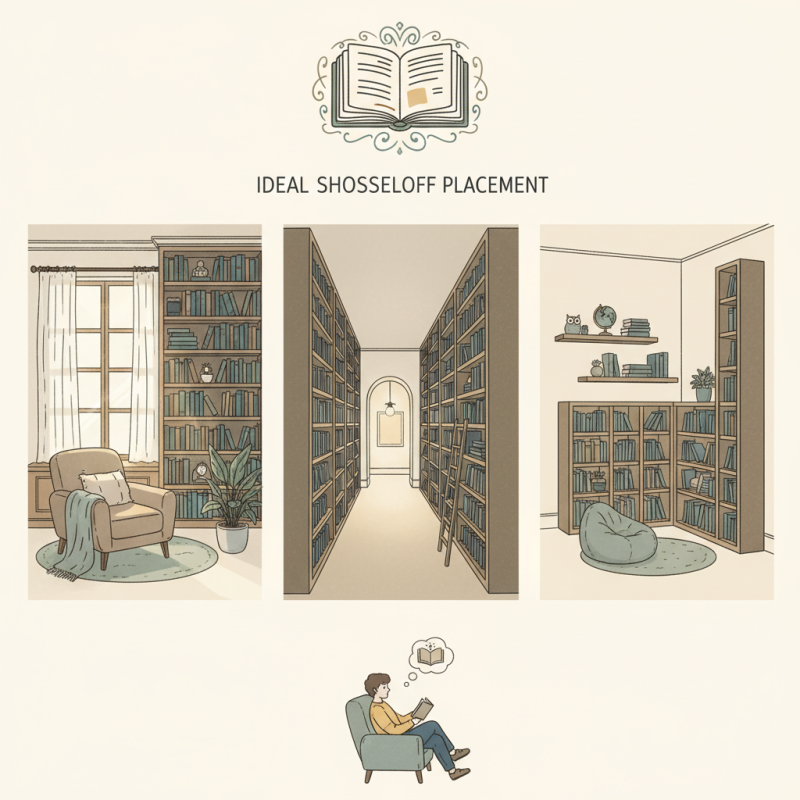
Creating a home library requires careful consideration of the room you choose. Recent studies indicate that 70% of readers prefer a quiet space for their books. Living rooms and dedicated studies are popular choices. They should provide comfort and eliminate distractions. A cozy nook with good lighting can enhance the reading experience.
Employing soft seating and shelves within arm’s reach is essential. According to design experts, a room with natural light can increase focus by up to 30%. Customizing your space is key. Consider adding art or personal touches that reflect your style. A reading corner should invite you to unwind.
However, not every space is ideal. A cluttered room can lead to overwhelming feelings, hindering your ability to concentrate. It's important to reflect on what makes a space enjoyable for you. Finding a balance between functionality and relaxation ensures your home library is a haven for literature lovers.
Creating a home library can transform your living space. Utilizing corners and nooks for bookshelves is quite effective. According to a study by the American Library Association, 75% of readers prefer a dedicated space for their books. Corners often go unused, presenting an opportunity to maximize your area.
Consider placing a bookshelf in a corner to free up central space. A well-placed shelf can hold several books and decorative items. One report suggests that compact corner shelves can hold up to 30% more books than standard shelves. You can customize the height and width to fit the space perfectly.
Nooks can also serve as cozy reading spots. Adding a small chair next to a bookshelf creates an inviting atmosphere. Lighting is essential here. A study from the International Interior Design Association highlights that good lighting increases reading confidence. However, not every nook is ideal for books. Some might lack natural light, making them less appealing. Reflecting on the space's functionality is key to designing an effective home library.
Creating an inviting reading atmosphere depends significantly on lighting conditions. Natural light is highly recommended for your bookshelf. A study by the American Psychological Association found that natural light positively impacts mood and focus. Positioning your bookshelf near a window can enhance your reading experience. Exposure to daylight can improve your comprehension and retention while reading.
However, too much direct sunlight can damage books over time. A balance is crucial. Consider using sheer curtains to diffuse harsh light. According to the National Institute of Health, soft, warm lighting can reduce eye strain. Table lamps with adjustable brightness levels can provide a cozy environment. Placing these lamps strategically around your reading area can create focal points and enhance the ambiance.
Remember that the singular goal is comfort. Dim lighting might be soothing, yet it can hinder concentration. Assess your bookshelf's position frequently. If your chosen location feels off, rethink it. Your home library should evolve with your habits. Incorporating various lighting sources is recommended for a dynamic and adaptable reading space.
Creating a harmonious space for your home library involves thoughtful design choices. Your bookshelf should reflect your personality while complementing the surrounding decor. Choose a style that aligns with the overall theme of your room. For example, a vintage wooden bookshelf can add warmth to a modern setting. Alternatively, a sleek metal design can enhance a minimalist aesthetic.
Consider color coordination as well. A vibrant bookshelf can serve as a statement piece in a neutral space. However, balance is key. Too much contrast can make the space feel disjointed. Incorporating decorative objects on the shelves can also enhance the design. These items provide breaks in the rows of books while showcasing your taste.
Lighting plays a crucial role in showcasing your collection. A well-placed lamp not only illuminates the shelves but also enhances the visual appeal. Use warm-toned bulbs to create a cozy atmosphere. Be mindful of clutter, though. Too many accessories can distract from the books themselves. Regularly reassessing your space can help maintain balance and functionality.
When planning your home library, accessibility is crucial. Choose a location that offers convenient access to your book collection. A space near your favorite reading spot makes sense. Consider a corner of your living room or a cozy nook by a window. These spots allow easy reach while creating a welcoming atmosphere.
Always think about how you organize your books. Group them by genre or author to make finding titles simple. Labeling shelves can enhance accessibility further. If you have a diverse collection, consider using a step stool for higher shelves. It’s okay if some books are less reachable. Just ensure your most-used books are readily available.
Lighting is another important factor. A well-lit shelving area simplifies locating books, especially in dim situations. Position your bookshelf in a way that maximizes natural light. But, it can be a challenge to strike a balance between light and book preservation. If the sun shines too brightly, consider placing a few decorative items for shade. These reflections can help you create a functional, yet beautiful space.
: A quiet space like a living room or study is ideal for a home library.
Natural light boosts mood and focus, enhancing comprehension and retention while reading.
Soft seating and accessible shelves are key for comfort and ease while reading.
Direct sunlight can damage books over time, so balance is important.
Adding personal touches and art can create an inviting atmosphere.
Soft, warm lighting from table lamps with adjustable brightness is recommended.
Consider what makes a space enjoyable and assess its functionality and comfort.
Yes, clutter can be overwhelming and hinder concentration while reading.
Yes, if the current position feels off, it's good to rethink its location.
Incorporate various lighting sources for a dynamic and inviting atmosphere.
When considering where to place a bookshelf to create a home library, it's essential to choose the right room that aligns with your reading habits. Spaces like a cozy living room, a quiet study, or even a sunlit corner can serve as ideal locations. Maximizing space is crucial; utilizing corners and nooks can help you fit in more books where conventional placements may not work.
Furthermore, the lighting conditions play a significant role in creating an inviting reading atmosphere. Natural light is preferable, but adjustable lamps can enhance the experience during evening hours. Incorporating design aesthetics by matching your bookshelf with existing decor can also enrich the overall ambiance. Lastly, accessibility should be a top consideration to ensure that your collection is easy to reach, making your home library both functional and welcoming.

Jaydee furniture