10 Essential Tips for Correctly Storing Wine Bottles in Racks?

Time:2026-05-07 Author:Aria
0%

Storing wine bottles correctly in a wine rack cabinet requires attention to detail. Many enthusiasts overlook key factors that can affect their wine’s quality. The right conditions impact flavor, aroma, and lifespan.

How to store wine bottles correctly in a wine rack cabinet is a common question among both novice and experienced collectors. One must consider temperature, humidity, and bottle positioning. Keeping wine bottles horizontally is essential for maintaining cork moisture. Fluctuating conditions can spoil even the finest wines.

Many people neglect these crucial aspects. They often think any rack will do. Yet, improper storage may result in disappointment. A little effort can prevent wasted bottles. Mastering the art of wine storage can elevate your tasting experience. Embrace these essential tips to protect your investment.
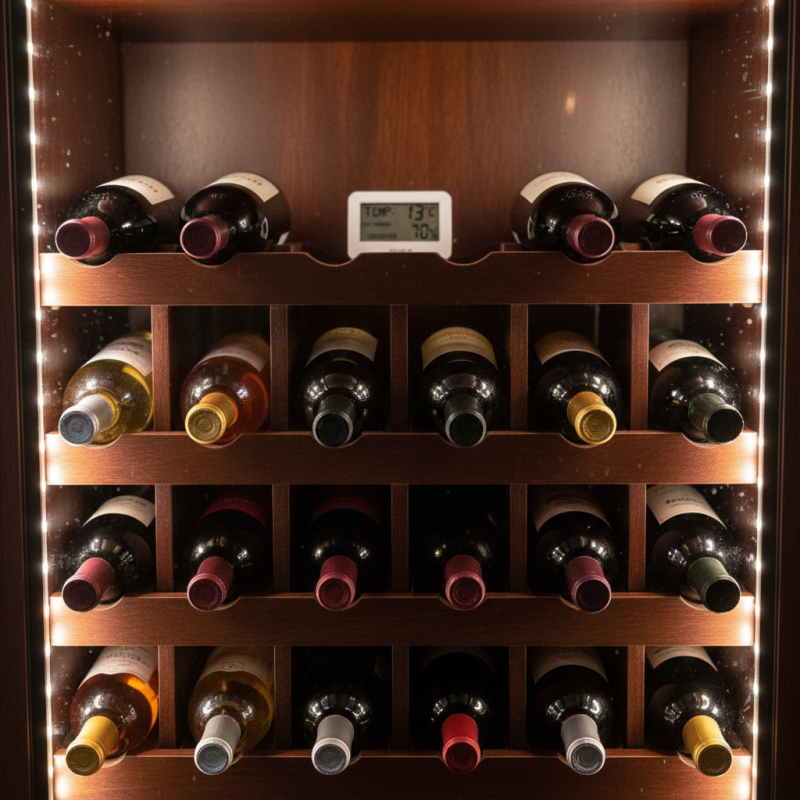
10 Essential Tips for Correctly Storing Wine Bottles in Racks?

Importance of Proper Wine Storage to Preserve Quality

Proper wine storage is essential for preserving the quality of your collection. Wine is sensitive to light, temperature, and humidity. Storing bottles incorrectly can lead to spoilage. For instance, fluctuating temperatures can alter the wine’s taste. Heat can cook the wine, while cold can slow aging.

A dark environment is vital. UV light can degrade the wine and affect its flavor. Use a wine rack that shields bottles from direct sunlight. Keep bottles horizontal to maintain contact between the cork and the wine. This prevents the cork from drying out and air from seeping in.

Humidity levels should be around 70%. This prevents corks from drying and allows proper aging. Check your storage area regularly for any signs of temperature or humidity issues. Not all wine racks are created equal. Some may not provide the ideal conditions for your bottles. Consider testing different setups to find what works best for your collection.

Optimal Temperature Ranges for Storing Different Types of Wine

When it comes to storing wine, temperature is more important than many realize. Reds thrive at 55-65°F. They benefit from a bit of warmth, enhancing their complex flavors. However, pushing these temperatures too high can ruin the wine. It’s easy to overlook heat, but even a few degrees can affect quality.

Whites and rosés prefer cooler ranges of 45-55°F. This temperature preserves their crisp acidity. If they sit too warm, their delicate notes may fade. Storing them too cold also risks dulling their flavors. Precision matters, so avoid fluctuating temperatures, a common mistake.

Dessert wines often fall between these ranges. Focus on maintaining stable conditions. Temperature spikes can lead to premature aging or off-flavors. Many enthusiasts don't realize that a simple fridge is not ideal for long-term storage. Use a dedicated wine fridge to achieve optimal results. The effort put into monitoring these details can greatly influence the enjoyment of your collection.

Humidity Levels: Maintaining the Ideal Environment for Wine Bottles

Humidity levels play a crucial role in wine storage. Too much dryness can lead to corks shrinking, allowing air to enter the bottle. Conversely, excessive humidity can promote mold growth. Experts recommend maintaining humidity between 50% and 70% for optimal wine preservation. A report by the Wine Enthusiast suggests that a consistent level of around 60% is ideal for most wine varieties.

When setting up your wine rack, consider a few factors that affect humidity. Proper ventilation is essential to avoid stagnant air. Avoid storing wine bottles in areas with fluctuating temperatures. These changes can also affect humidity levels. Using a hygrometer will help monitor the moisture in your cellar. Regularly check it to ensure conditions remain stable.

It's common for wine enthusiasts to overlook humidity altogether. New collectors often overly focus on temperature control instead. This oversight can lead to spoiled wine. Taking the time to understand humidity dynamics can help enhance your wine’s lifespan and overall quality. Remember, even minor adjustments in your environment can have significant effects on your collection.

Choosing the Right Type of Wine Rack for Stability and Accessibility

When selecting a wine rack, consider stability and accessibility. A stable rack protects your bottles from vibrations. These vibrations can negatively impact the wine. Look for racks made from sturdy materials like solid wood or metal. They provide the best support for storing your precious bottles.

Accessibility is equally important. A well-designed rack allows you to see and reach your wine easily. You don’t want to struggle to find your favorite bottle. Consider a design that holds your wine horizontally. This keeps the cork moist and prevents oxidation.

Think about the space you have available. Measure your area to find the right size. A rack that’s too big can make the area feel cramped. Conversely, a small rack may not hold all your bottles. Reflect on your wine collection as well. A growing collection might need a modular rack. Modular racks can adapt to your needs over time.

Positioning Wine Bottles Correctly: Corks Up vs. Corks Down Debate

When it comes to storing wine bottles, the debate over positioning—corks up or corks down—persists among enthusiasts. According to a study by the American Society for Enology and Viticulture, proper cork contact with wine can significantly impact the aging process. Storing bottles cork down keeps the cork moist, preventing it from drying out and letting air in, which can spoil the wine. However, if you opt for cork up, it may not directly harm the wine but risks cork deterioration over time.

In storage environments, maintaining the right humidity level is crucial. The optimal range is between 50% to 70%. Too high humidity can lead to mold, while low humidity can dry out corks. Experts suggest that cork down may be better in high-humidity conditions. Nonetheless, reflections on this practice reveal that improper bottle orientation can lead to potential risks. Some collections report instances of cork disintegration from prolonged contact with wine, raising questions about the best storage method.

In conclusion, both orientations have their merits and drawbacks. It's essential to consider storage conditions, bottle type, and the longevity of your collection. Balancing risks while focusing on wine preservation will lead to the best experience for any wine lover.

FAQS

: Why is proper wine storage important?

: Proper wine storage preserves quality and prevents spoilage. Wine is sensitive to light, temperature, and humidity.

What happens if wine is stored improperly?

Improper storage can alter taste and lead to spoilage. Fluctuating temperatures can ruin the wine's quality.

How should wine bottles be positioned for storage?

Store bottles horizontally to keep corks moist. This prevents air from seeping in and spoiling the wine.

What is the ideal humidity level for wine storage?

Aim for humidity between 50% and 70%. Consistent moisture prevents cork shrinkage and promotes proper aging.

What temperature is best for storing reds?

Reds should be stored at 55-65°F. This temperature enhances flavor, but too much heat can ruin them.

What about the storage temperature for whites?

Whites prefer cooler temperatures of 45-55°F. Too warm can dull their flavors, while too cold can affect taste.

How often should I check my wine storage conditions?

Regular checks are necessary for temperature and humidity. Minor adjustments can significantly affect your collection's quality.

Can a regular fridge be used for wine storage?

A regular fridge is not ideal for long-term storage. A dedicated wine fridge maintains optimal temperature and humidity.

What risks come from excessive humidity?

Too much humidity can promote mold growth on corks. This may ruin the wine inside the bottle over time.

What common mistake do new collectors make?

New collectors often overlook humidity, focusing only on temperature. This can lead to poorly preserved wine.

Conclusion

Proper wine storage is crucial to preserving the quality and flavor of your bottles. To effectively learn how to store wine bottles correctly in a wine rack cabinet, it is essential to understand the optimal temperature ranges for different types of wine, which typically range between 45°F to 65°F. Additionally, maintaining appropriate humidity levels around 50-70% can prevent corks from drying out or molding, ensuring your wine remains in pristine condition.

Selecting the right type of wine rack is also vital for stability and accessibility, allowing for efficient storage without risking damage. When positioning wine bottles, the debate between corks up and corks down highlights the importance of cork preservation; bottles should generally be stored horizontally to keep the cork moist. By following these essential tips, you can create a suitable environment for your wine collection, ensuring its longevity and quality.

Aria

Aria

Aria is a dedicated marketing professional with a deep passion for innovative strategies and a keen understanding of our company's product offerings. With a wealth of experience in the industry, Aria excels at crafting engaging content that highlights the unique features and benefits of our......