Why You Should Choose a Kitchen Pantry Cabinet for Bulk Storage?

Time:2026-05-01 Author:Charlotte
0%

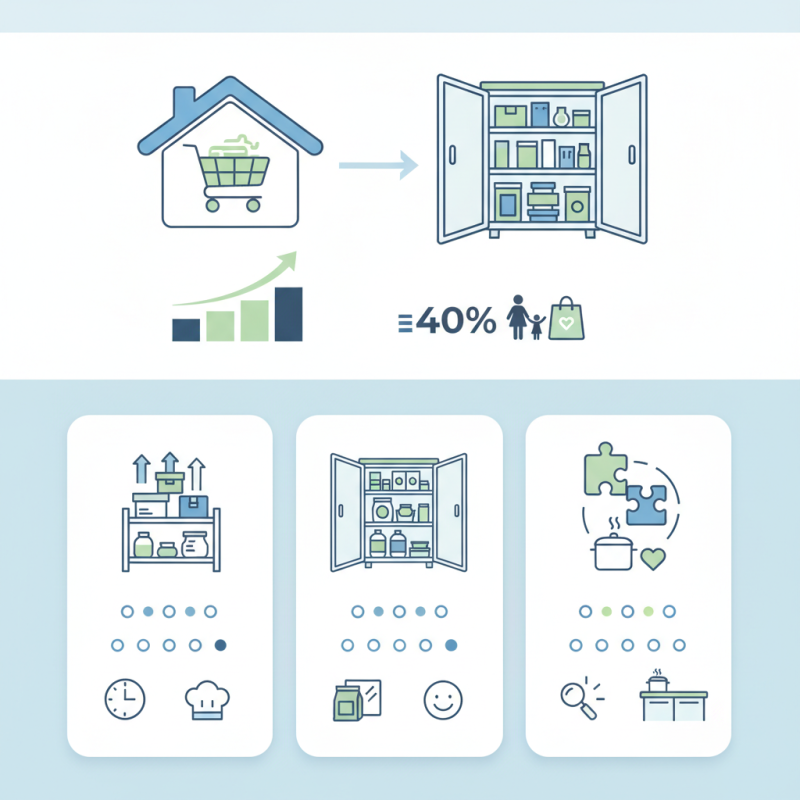
In today's fast-paced world, efficient storage solutions are essential for modern kitchens. The average household size has increased, leading to higher demand for bulk purchases. According to industry reports, about 40% of families are now buying groceries in bulk to save money and reduce shopping frequency. This trend highlights the need for effective storage options, particularly kitchen pantry cabinets.

Why you should use a kitchen pantry cabinet for bulk storage becomes clear when considering the benefits. These cabinets maximize space and keep items organized. They help maintain an orderly kitchen, making meal prep more efficient. A well-structured pantry cabinet can hold non-perishables, freeing up countertop space. However, many might overlook their potential, letting clutter build up.

Ultimately, investing in a pantry cabinet is not just about storage; it's about enhancing kitchen functionality. Clarity in organization allows easy access to bulk items. This choice fosters a more enjoyable cooking experience. Embracing this solution could transform chaotic kitchens into harmonious spaces.
Why You Should Choose a Kitchen Pantry Cabinet for Bulk Storage?

Benefits of Using Kitchen Pantry Cabinets for Bulk Storage Efficiency

A kitchen pantry cabinet serves multiple roles. One key benefit is its ability to enhance bulk storage efficiency. According to a study by the National Association of Home Builders, well-organized kitchens can improve cooking efficiency by up to 30%. This statistic highlights the importance of efficient storage solutions like pantry cabinets.

These cabinets maximize vertical space, making it easier to store larger quantities of food. When users have easy access to bulk items, meal preparation becomes quicker. Research from the American Institute of Architects indicates that homes with functional storage solutions see a 25% decrease in clutter. A well-organized pantry cabinet contributes to this goal.

However, implementing these cabinets requires careful consideration. Users must account for size and layout constraints in their kitchens. Not all spaces can accommodate large cabinets. Additionally, overloading pantry cabinets can lead to disorganization. Creating an efficient pantry means regularly assessing contents and adjusting storage strategies. Addressing these challenges ensures a functional and approachable kitchen space.

Benefits of Using Kitchen Pantry Cabinets for Bulk Storage Efficiency

Optimal Organization Techniques for Maximizing Pantry Space Utilization

A kitchen pantry cabinet is essential for bulk storage. To utilize space effectively, organization is key. Begin by categorizing items. Group similar food types together. This makes it easier to locate what you need. Use clear, labeled containers for items like rice, pasta, or snacks. Labels should be visible and easy to read. This small step can save time during meal prep.


Consider vertical storage options. Install shelves that reach up to the ceiling. This maximizes space and keeps less frequently used items out of the way. Use adjustable shelves. They allow you to modify the space to fit various container sizes. Make a habit of reevaluating your pantry's layout regularly. It ensures that everything remains accessible and no space is wasted.


Tips:

  • Keep frequently used items at eye level.
  • Store heavier items on lower shelves for safety.
  • Rotate stock to keep items fresh and reduce waste.
  • Don’t hesitate to remove items that have gone unused for months.
Sometimes, less really is more in the pantry. Each change can create a more efficient space. Reflect on what works and adjust accordingly.

Industry Statistics on Bulk Storage and Food Waste Reduction

Bulk storage in kitchens is a critical component in reducing food waste. Statistics reveal that up to 40% of the food supply in the U.S. ends up in landfills. This not only wastes resources but also contributes to greenhouse gas emissions. Implementing effective bulk storage solutions can help combat this issue significantly. A kitchen pantry cabinet allows homeowners to store larger quantities of food. It encourages the purchase of shelf-stable products, ultimately leading to less wasted food.

The convenience of accessing bulk items can lead to better meal planning. When food is visible and organized, it reduces the chance of items being forgotten. Research shows that consumers with well-organized pantries tend to waste less food. They make informed purchasing decisions and cook more creatively. It becomes a cycle of responsible consumption and minimal waste. Still, new users often struggle with maintaining organization or knowing how to best use bulk items. Reflecting on personal habits can help improve this situation. By acknowledging these challenges, homeowners can better adapt their approaches to bulk storage.

Design Considerations: Choosing the Right Pantry Cabinet for Your Needs

When selecting a kitchen pantry cabinet, consider how it will serve your space. Think about the layout of your kitchen. Is it open or closed? Determine how much space you have for a pantry cabinet. A tall cabinet may suit a narrow area well. A wide one can offer more shelf space and easy access to items.

Storage needs also play a crucial role. Are you buying in bulk? Choose a cabinet with adjustable shelves to accommodate various item sizes. Look for features like pull-out drawers or bins to enhance accessibility. These features can help reduce clutter in your kitchen.

Remember to reflect on the materials and finishes. A wooden cabinet adds warmth, while metal offers a modern touch. Choose a finish that matches your existing décor. Yet, these options come with maintenance needs. Consider how much upkeep you are willing to manage. It's essential to balance aesthetics with functionality, ensuring your pantry cabinet meets all your expectations and practical needs.

Comparative Analysis of Different Pantry Cabinet Materials and Durability

When considering a kitchen pantry cabinet for bulk storage, the choice of material is crucial. Different materials offer varying levels of durability and aesthetic appeal. Common options include wood, metal, and laminate. Solid wood cabinets are sturdy and have a timeless look. However, they can be expensive and susceptible to moisture. Metal cabinets are robust and resistant to damage, but they might not blend well with all kitchen styles. Laminate is budget-friendly and easy to clean but can wear over time.

Here are some tips to keep in mind: Choose solid wood if you're aiming for longevity. If your kitchen has high humidity, consider metal or laminate to avoid warping. Test the durability of cabinet doors to ensure they withstand daily use. It’s worth reflecting on past experiences with different materials to identify what worked and what didn’t.

Don’t overlook finishing touches. The type of finish can affect durability. A high-quality seal on wood can protect against moisture. For metal, a durable powder coat can minimize scratches. Remember, a pantry cabinet is an investment. Prioritize materials that meet your needs and workmanship that ensures longevity.

FAQS

: How can I utilize space effectively in my pantry?

: Categorize similar food types and use clear, labeled containers. This helps find items quickly.

What should I do with items that I rarely use?

Consider storing less frequently used items on high shelves. Regularly reevaluate your pantry layout.

What is the best height for frequently used items?

Keep frequently used items at eye level for easy access during meal prep.

How can I ensure my pantry items stay fresh?

Rotate stock regularly and remove items that haven’t been used in months.

What materials are best for pantry cabinets?

Solid wood is durable but may warp in humidity. Metal and laminate are resistant to moisture.

How can finishes affect the durability of pantry cabinets?

Quality finishes protect materials. A high-quality seal on wood or powder coating on metal can minimize damage.

Is it important to reflect on my past experiences with pantry materials?

Yes, reflecting on what worked helps make better choices for future purchases.

Are there tips for safely storing heavier items in the pantry?

Store heavier items on lower shelves to prevent accidents and ensure safety.

How often should I adjust my pantry organization?

Make it a habit to reevaluate regularly. Each adjustment can create a more efficient space.

Why is organization important in a pantry?

Organization can save time and reduce waste by helping you find what you need easily.

Conclusion

A kitchen pantry cabinet is an invaluable asset for anyone looking to optimize bulk storage efficiently. Why you should use a kitchen pantry cabinet for bulk storage lies in its ability to enhance organization, reduce food waste, and maximize space utilization. Implementing optimal organization techniques within the pantry can lead to easier access and a more streamlined kitchen experience.

Furthermore, understanding industry statistics highlights the meaningful impact that effective bulk storage can have on reducing food waste, benefiting both the environment and household budgets. When selecting a pantry cabinet, it's essential to consider design aspects tailored to individual needs, as well as the comparative durability of materials. A well-chosen pantry cabinet not only serves functional purposes but also elevates the overall kitchen aesthetic.

Charlotte

Charlotte

Charlotte is a seasoned marketing professional with a deep understanding of the company's portfolio and a passion for elevating its presence in the market. With a keen eye for detail and a commitment to excellence, she ensures that our professional blog is regularly updated with insightful articles......