Choosing the right material for high-moisture bathroom cabinets is crucial. Bathrooms are often humid environments, and the cabinetry must withstand this challenge. Homeowners frequently ask, "What material is best for high-moisture bathroom cabinets?" The answer isn't straightforward. Each material has its strengths and weaknesses.
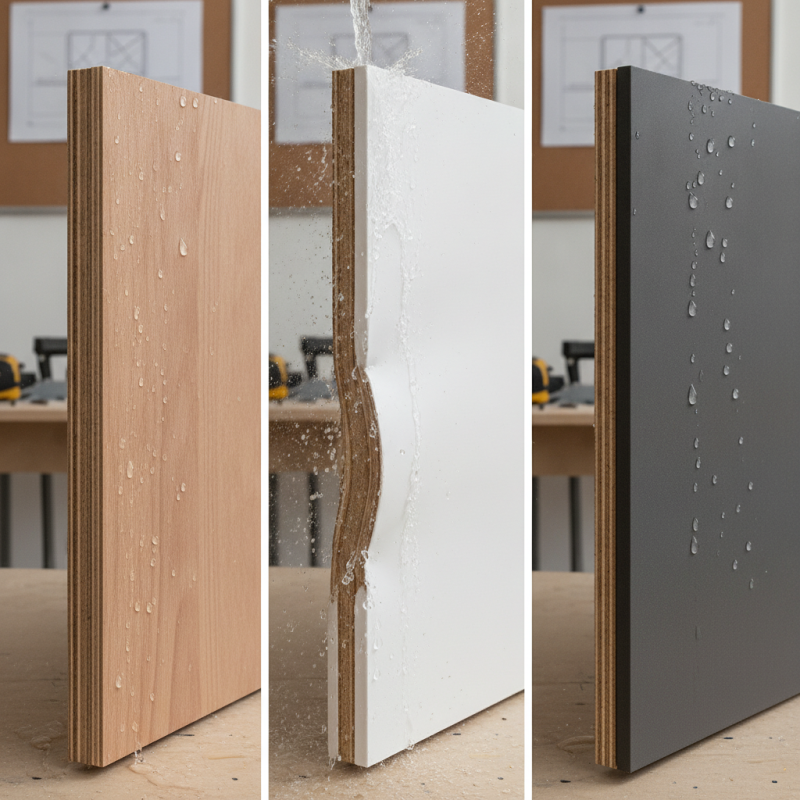
For example, plywood is durable and resistant to warping. However, it's not entirely waterproof. On the other hand, MDF is affordable and smooth but can swell when exposed to excessive moisture. While there are many options, it's essential to consider how each material holds up over time.
In reality, many people may underestimate the impact of humidity on their cabinets. Some might think that any cabinet will do. But this lack of consideration can lead to costly repairs. Investing time in research can yield better results. It's about striking the right balance between aesthetics and functionality. Making informed choices can lead to a space that maintains beauty and endurance.
Understanding the Importance of Moisture Resistance in Bathroom Cabinets
When choosing bathroom cabinets, moisture resistance is crucial. This environment experiences high humidity, and materials must withstand constant moisture. Traditional woods can warp, swell, or rot when exposed to damp conditions. Such risks can lead to costly repairs or replacements.
Materials like plywood, MDF, or high-quality synthetics offer better moisture resistance. However, not all are created equal. Some might still deteriorate over time when poorly sealed or finished. Consider cabinet designs that incorporate proper ventilation. This can help minimize moisture buildup, especially in small spaces.
Aesthetic choices matter too. While you want durable materials, they should blend with your bathroom's design. A balance is necessary. Choosing budget options might save money initially, but could lead to long-term issues. Investing in reliable materials can prevent future headaches related to water damage.
Common Materials Used for Bathroom Cabinets and Their Moisture Resistance
When designing bathroom cabinets, choosing the right material is crucial, especially in high-moisture environments. Experts consistently recommend materials with strong moisture resistance. Commonly used materials include plywood, MDF, and solid wood.
Plywood, known for its durability, can withstand humidity better than many alternatives. Research indicates that plywood cabinets have a lower risk of warping compared to particleboard options.
In contrast, MDF is a popular choice due to its affordability. However, MDF absorbs moisture more readily than plywood. It may swell in humid conditions, leading to a shortened lifespan. While solid wood is aesthetically pleasing, it often requires sealing to protect against moisture. Without adequate treatment, >wood can deteriorate over time.
Tips: Consider coatings that enhance moisture resistance. A good seal can protect your cabinets from steam and splashes. Regular maintenance is also key; check for signs of damage frequently. Tighten hinges and ensure proper ventilation to prolong the life of your cabinets. Selecting the right material will ultimately lead to a more functional and beautiful bathroom space.
Comparative Analysis of Wood, MDF, and PVC for High Moisture Areas
When choosing materials for bathroom cabinets, moisture resistance is crucial. In high-moisture areas, wood can warp and swell. Although wood offers a classic aesthetic, it requires treatments to withstand humidity. Regular maintenance is essential. Without proper care, wooden cabinets can develop mold or rot over time, leading to costly replacements.
MDF, or medium-density fiberboard, presents a more stable option than solid wood. It resists warping better, making it suitable for humid environments. However, MDF can still absorb moisture if not sealed correctly. Over time, it may weaken and requires a water-resistant finish. Homeowners must balance aesthetics and functionality when considering MDF cabinets.
PVC cabinets are increasingly popular for high moisture areas. They are completely waterproof and do not swell or warp, even in extreme humidity. However, they may lack the warmth and texture of wood or MDF. Some users find them less appealing visually. The long-term durability of PVC makes it a worthy contender, despite its aesthetic drawbacks. Choosing the right material involves weighing the pros and cons of each option against personal preferences.
Coatings and Finishes That Enhance Moisture Resistance in Cabinets
When selecting materials for high moisture bathroom cabinets, the right coatings and finishes are vital. Moisture can easily warp and damage cabinetry. Therefore, it is crucial to apply protective layers that enhance durability. For instance, high-quality sealants can shield wood and other materials from humidity. A water-resistant finish can keep surfaces looking new, resisting mold and mildew.
Polyurethane and lacquer are popular choices for coatings. They offer strong protective barriers against moisture. This, in turn, helps extend the life of the cabinets. Yet, applying these finishes is an art. A poorly applied coat can lead to peeling or bubbling. It’s important always to follow recommended drying times and application techniques for the best results.
Another approach is to explore specialty products designed explicitly for wet environments. These products often have enhanced moisture barriers. However, some may require more maintenance over time. Choosing the right finish requires balancing aesthetics and practicality. Ultimately, each choice leads to reflections on what works best for your space.
Best Materials for High Moisture Bathroom Cabinets
Best Practices for Maintaining and Protecting Bathroom Cabinets from Moisture
Maintaining bathroom cabinets in high-moisture environments is critical to their longevity. Moisture can warp materials, leading to costly repairs. According to the National Kitchen and Bath Association, nearly 70% of homeowners report issues with cabinet durability due to humidity. This underscores the importance of selecting the right materials and maintenance practices.
Using moisture-resistant finishes, such as polyurethane, can greatly enhance a cabinet's durability. Regularly inspecting cabinets for signs of water damage is crucial. Homeowners should wipe down surfaces after showers, as trapped steam can encourage mold growth. A dehumidifier can help reduce moisture levels in the bathroom. Despite these steps, issues like chipping or peeling can occur, indicating that preventive measures may not be foolproof.
Investing in high-quality materials helps mitigate risks. Composite wood products with proper sealing are often recommended for their resistance to water damage. However, it's essential to acknowledge that even the best materials require ongoing care. Homeowners should routinely apply protective coatings to their cabinets. This consistent upkeep can significantly extend the life of bathroom cabinetry amidst moist conditions.
What is the Best Material for High Moisture Bathroom Cabinets? - Best Practices for Maintaining and Protecting Bathroom Cabinets from Moisture
| Material |
Moisture Resistance |
Durability |
Maintenance |
Cost |
| Marine Plywood |
Excellent |
High |
Low |
$$$ |
| MDF with Moisture Resistant Coating |
Good |
Moderate |
Moderate |
$ |
| PVC Cabinets |
Very Good |
High |
Very Low |
$$ |
| Solid Wood with Sealant |
Good |
Very High |
High |
$$$$ |
| Laminate |
Fair |
Moderate |
Low |
$ |
FAQS
: Bathroom cabinets are typically made from plywood, MDF, and solid wood.
Plywood resists humidity well and has a lower risk of warping compared to particleboard.
MDF absorbs moisture easily, which can cause it to swell and shorten its lifespan.
Solid wood needs sealing to protect it from moisture; without treatment, it can deteriorate.
High-quality sealants and water-resistant finishes like polyurethane are effective options.
Poorly applied finishes can peel or bubble, compromising their protective qualities.
Checking for damage and ensuring proper ventilation can prolong the cabinet's life.
Yes, some products are designed specifically for wet environments with enhanced moisture barriers.
Balance aesthetics with practicality. Reflect on what complements your bathroom vision.
Some specialty products may require more maintenance over time, which can be cumbersome.
Conclusion
When considering the question, "What material is best for high-moisture bathroom cabinets," it's essential to understand the significance of moisture resistance in such environments. Bathrooms are naturally humid, and selecting the right materials can prevent damage and prolong the life of the cabinets. Common materials utilized in bathroom cabinetry include wood, MDF (Medium Density Fiberboard), and PVC, each exhibiting varying levels of moisture resistance.
A comparative analysis reveals that while solid wood offers aesthetics, it may warp over time without proper treatment. MDF is more resistant to moisture than wood but can still suffer in high-humidity settings. Conversely, PVC stands out as a highly moisture-resistant option, making it ideal for bathrooms. Additionally, using effective coatings and finishes can enhance the moisture resistance of any material chosen. Regular maintenance and protective measures are crucial to ensure the longevity of bathroom cabinets in high-moisture areas.

 Jaydee furniture