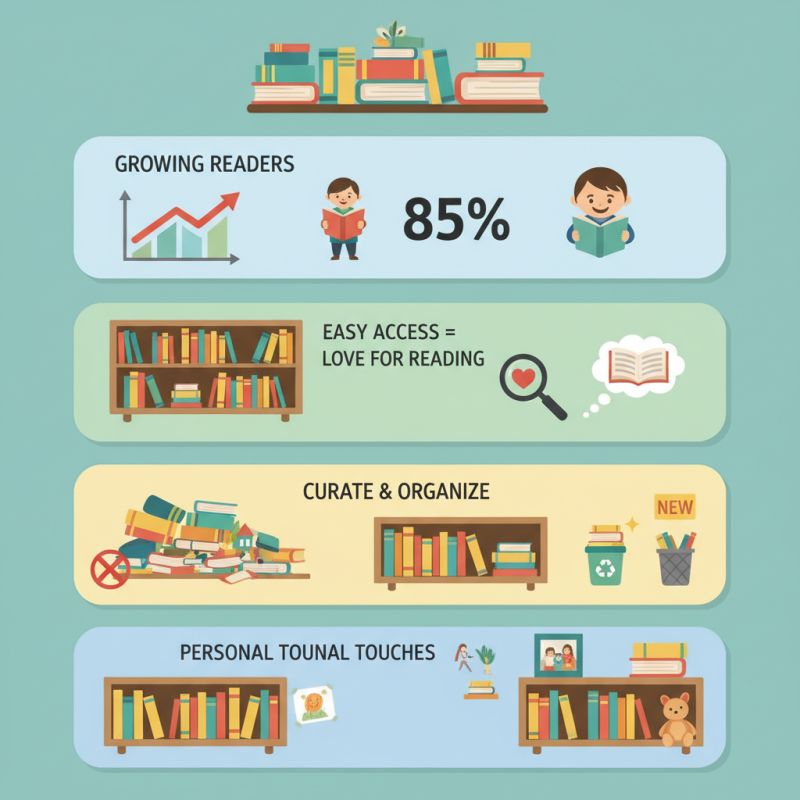
As young readers grow, creating an inviting Kids Bookshelf becomes essential. Research shows that 85% of children develop a love for reading if books are easily accessible. A well-organized shelf not only promotes literacy but also fosters imagination. According to Dr. Lisa Greene, a child literacy expert, "A thoughtfully curated Kids Bookshelf can spark a child's curiosity and love for stories."
Designing a Kids Bookshelf involves more than just placing books. It requires an understanding of children's preferences and interests. Colorful displays and themed arrangements make reading appealing. However, many parents struggle with clutter. A messy shelf deters kids from exploring. Parents must frequently assess their collection, removing outdated books while introducing new, engaging titles.
Incorporating personal elements enhances the bookshelf's charm. Family photos or artwork can make the space feel special. Yet, balancing aesthetics with functionality remains a challenge. Maintaining an attractive Kids Bookshelf that encourages young readers to engage with literature is no small feat, but the rewards are significant.
Bookshelves can shape a child’s reading experience. A well-designed bookshelf not only showcases books but also ignites curiosity. Studies show that children surrounded by books are 2.5 times more likely to become frequent readers. Creative bookshelf designs can create an inviting environment.
Consider bookshelves with unique shapes, like trees or houses. These designs transform reading into an adventure. Bright colors can add excitement, while soft, curved edges ensure safety. The height of the shelf matters, too. Shelves within a child's reach encourage independence and ownership of their reading choices.
However, it is essential to think about organization. Some shelves may become cluttered, which can overwhelm young readers. Regularly rotating books can keep the collection fresh. Research indicates that children enjoy stories with vivid illustrations more. Thus, displaying colorful picture books prominently can spark interest. Designing a bookshelf thoughtfully can inspire young readers, encouraging a love for books that lasts a lifetime.
When choosing the right bookshelf size and style for kids' rooms, consider the space available. A recent survey indicated that over 70% of parents prioritize functionality in children's furniture. Bookshelves should fit the room's layout, providing easy access for young readers. For smaller spaces, a vertical design can maximize storage without overwhelming the area.
In terms of style, colorful and playful designs often capture children's interest. A study by the American Psychological Association shows that a vibrant environment can encourage reading habits. However, parents should balance aesthetics with sturdiness. Many children may not handle books with care, leading to potential accidents. Bookshelves should be anchored and made from durable materials that can withstand some roughness.
Consider the age of the child too. Younger kids need lower shelves for easy access. As children grow, taller bookshelves become ideal. Experts recommend adjusting furniture to fit developmental stages, ensuring lasting use. Reflect on what fits your child's needs best, and make room for growth.
Creating an organized bookshelf for kids can ignite a love for reading. According to the National Literacy Trust, 51% of children report that having books at home makes them more likely to read. Smart organization not only enhances access but also encourages independent exploration of literature.
Tip: Categorizing books by theme can make a significant difference. Use sections like adventure, science, or fairy tales to help kids find their interests. Color-coding can also be visually appealing and intuitive. Research indicates that visual organization aids memory, which is crucial for young readers.
Using clear bins or shelves at child-height ensures everything is easily reachable. Maintain an inviting atmosphere where kids feel comfortable exploring. The American Library Association states that engaging environments lead to a 30% increase in reading frequency among children. Remember, it’s okay to adapt and reorganize as children's preferences change. Flexibility is key to maintaining their interest in reading.
Creating a welcoming bookshelf for kids means blending functionality with fun. Research shows that a visually appealing environment boosts young readers' engagement. According to a study by the American Library Association, colorful and well-organized spaces can increase the likelihood of reading by 40%. Incorporating decorative elements makes a bookshelf not just a storage unit but a vibrant part of the room.
Use bright colors that appeal to children. Opt for shelves in pastel shades or primary colors. Adding playful details, like cartoon characters or animal designs, can transform a simple bookshelf into a magical reading nook. Additionally, consider using themed bookends, which serve both decorative and practical purposes. This not only organizes books but also attracts attention with their unique designs.
Tip: Mix books with decorative items, such as photo frames or plants. This breaks the monotony and adds personality. Remember to leave some space for kids to display their projects. A cluttered shelf can discourage them from engaging with their books. Reflect on your choices—too many elements might overwhelm rather than inspire. Aim for balance between functionality and whimsy.
| Bookshelf Type | Material | Color Options | Age Group | Features |
|---|---|---|---|---|
| Classic Wooden Bookshelf | Pine | Natural, Blue, White | 3-10 years | Adjustable shelves, sturdy design |
| Modern Cube Bookshelf | MDF | Pink, Yellow, Green | 5-12 years | Fun geometric shapes, multi-use |
| Wall-Mounted Shelf | Metal | Black, White, Bright Colors | 2-8 years | Space-saving design, decorative |
| Playful Cartoon Shelf | Wood | Bright Multicolor | 3-10 years | Fun designs, integrated storage |
| Eco-Friendly Bookshelf | Recycled Materials | Natural | 0-5 years | Sustainable, child-safe finishes |
Creating an engaging bookshelf for young readers can spark their imagination and foster a love for reading. A well-thought-out theme transforms a simple shelf into a captivating world. Consider a nature-inspired design, with books about animals, plants, and outdoor adventures. Such themes encourage curiosity and inspire exploration in the real world. Paint the shelves green and decorate with wooden elements or plush toys to enhance the theme.
Another exciting idea is to focus on cultures and stories from around the globe. Books featuring diverse characters help children understand different perspectives. You might place globes or maps on the shelf to visually connect stories with their origins. This approach can nurture empathy and appreciation for others. Don't forget to include books in multiple languages for bilingual households, allowing children to engage in storytelling across cultures.
While creating a dreamy reading nook, be aware of clutter. Too many books can overwhelm young readers and diminish their interest. Sometimes, less is more. Regularly curate the collection and allow children to help choose their favorites. This process fosters decision-making skills and a sense of ownership. Keep it functional yet visually engaging, letting the children’s interests guide the presentation of their bookshelf.
: Consider the available space. A vertical design maximizes storage in smaller areas.
Colorful and playful designs capture children's interest and encourage reading habits.
Anchor the bookshelf and use durable materials to withstand rough handling from children.
Lower shelves are ideal for young kids, allowing easy access to their books.
Create a nature-inspired theme with books about animals and outdoor adventures to spark curiosity.
Include books featuring characters from various cultures and add maps or globes for visuals.
Regularly curate the collection with your child. This encourages decision-making and ownership.
Use visuals and decor that reflect your child's interests to create a captivating environment.
Adapting furniture ensures it meets their developmental needs and promotes longevity in use.
Yes, too many can overwhelm kids. Sometimes, less is more for maintaining interest.
The article "2026 Best Kids Bookshelf Ideas for Young Readers" presents a comprehensive guide to creating an inviting reading environment for children. It emphasizes the importance of selecting creative and age-appropriate kids bookshelves that inspire young readers. The article outlines various bookshelf designs that cater to the unique tastes and needs of children, highlighting considerations for size and style to fit seamlessly into kids' rooms.
In addition to design, the piece offers innovative organization tips to keep books easily accessible and encourages the use of decorative elements that make the bookshelves more engaging and kid-friendly. Finally, it explores thematic ideas for kids bookshelves that can spark imagination and creativity, making reading a delightful adventure for young minds. This holistic approach ensures that children develop a lifelong love for reading in a space that feels personal and inspiring.

Jaydee furniture