When selecting furniture for children, incorporating eco-friendly materials is crucial. Parents increasingly realize the importance of creating a safe and sustainable environment for their little ones. So, what are the eco-friendly materials for kids' furniture? This guide explores various options. Sustainable materials can make a significant difference in both health and comfort.
Natural wood, bamboo, and organic cotton are popular choices. They are durable, safe, and kind to the planet. Non-toxic finishes are equally important. They help reduce harmful emissions in indoor air.
However, not all eco-friendly labels are trustworthy. Some products may appear sustainable but lack authenticity. Buyers should research and seek certifications to ensure their choices are genuinely eco-conscious. It's essential to reflect on our purchasing habits and their long-term impact on the environment. Choosing the right materials can foster a healthier space for children and contribute to a greener planet.
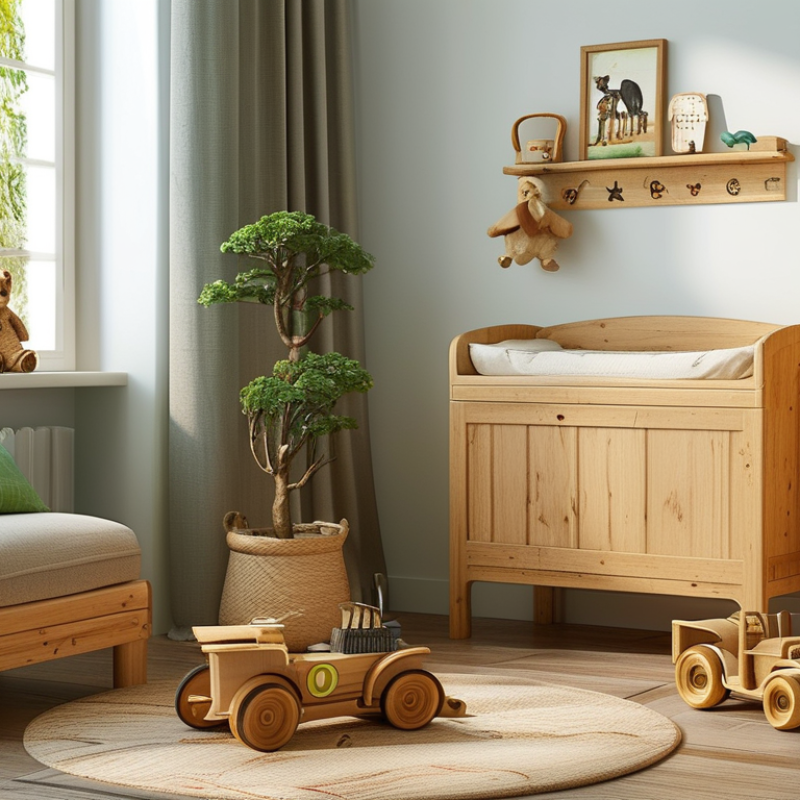
When selecting eco-friendly kids' furniture, parents should prioritize materials that are safe and sustainable. Formaldehyde-free options like bamboo and reclaimed wood reduce toxin exposure. A 2021 study found that children with access to less toxic environments scored higher on cognitive development tests. Thus, choosing the right materials may impact children's health and learning.
Recyclability and durability are also crucial factors. Many eco-friendly materials are sourced from renewable resources, which means they can have a smaller carbon footprint. However, not all eco-friendly options are created equal. Some may wear out quickly, leading to more waste. In fact, research indicates that purchasing durable, high-quality furniture can reduce 30% of waste in landfills.
Lastly, aesthetics shouldn’t be overlooked. Children are inspired by their surroundings. Furniture made from non-toxic finishes can create a vibrant and safe learning environment. A study by the Green Building Council shows that natural light and well-designed spaces can boost children's creativity by 20%. Balancing eco-friendliness with design is essential for creating healthy living spaces for children.
: Sustainable furniture ensures health and safety for kids. It uses eco-friendly materials that are better for the environment.
Popular materials include natural wood, bamboo, and recycled plastics. These options offer durability and can withstand active play.
Bamboo grows quickly and is durable. It resists warping and cracking, offering a long-lasting furniture option for children.
Many recycled materials are safe, but always check for certifications. Look for labels like Greenguard or LEED to ensure safety.
Non-toxic finishes prevent harmful VOCs from affecting indoor air quality. Water-based finishes are safer for children’s environments.
Often, yes, eco-friendly materials may have higher upfront costs. However, they can save money over time by lasting longer.
Consider safety, durability, and certifications. Reflect on both the initial investment and the long-term benefits for your family.
Yes, organic fabrics like cotton and hemp avoid harmful chemicals. They ensure comfort and breathability, enhancing your child's experience.
Recycled plastics are durable but may lack some aesthetics. It's a trade-off between cost and visual appeal in children's furniture.
Look for warranties and certifications that indicate durability. Choose materials that balance sustainability with long-lasting use for kids.
In the quest for safe and sustainable living spaces, selecting the right children’s furniture is essential. When considering such furniture, it’s important to evaluate various factors including safety, durability, and environmental impact. This article highlights what are the eco-friendly materials for kids' furniture, focusing on sustainable options like bamboo, recycled wood, and natural fibers. These materials not only promote a healthier living environment for children but also tend to have reduced harmful emissions compared to conventional options.
Moreover, the use of eco-friendly furniture can significantly benefit children’s health by minimizing exposure to toxic substances often found in standard furniture. While comparing durability and cost, it's evident that investing in eco-friendly materials can prove to be economical in the long run due to their longevity and resilience. Ultimately, choosing eco-friendly kids' furniture not only fosters a nurturing space for children but also contributes positively to the planet.

 Jaydee furniture